
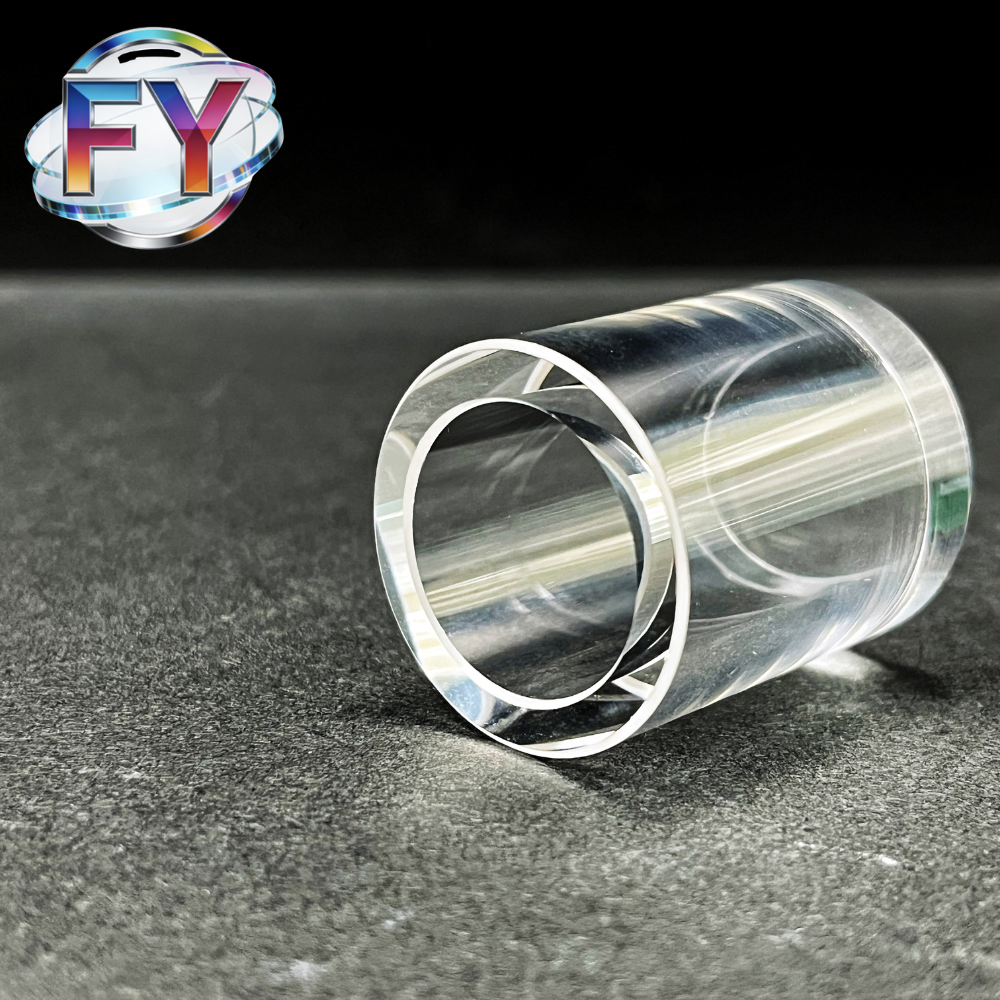
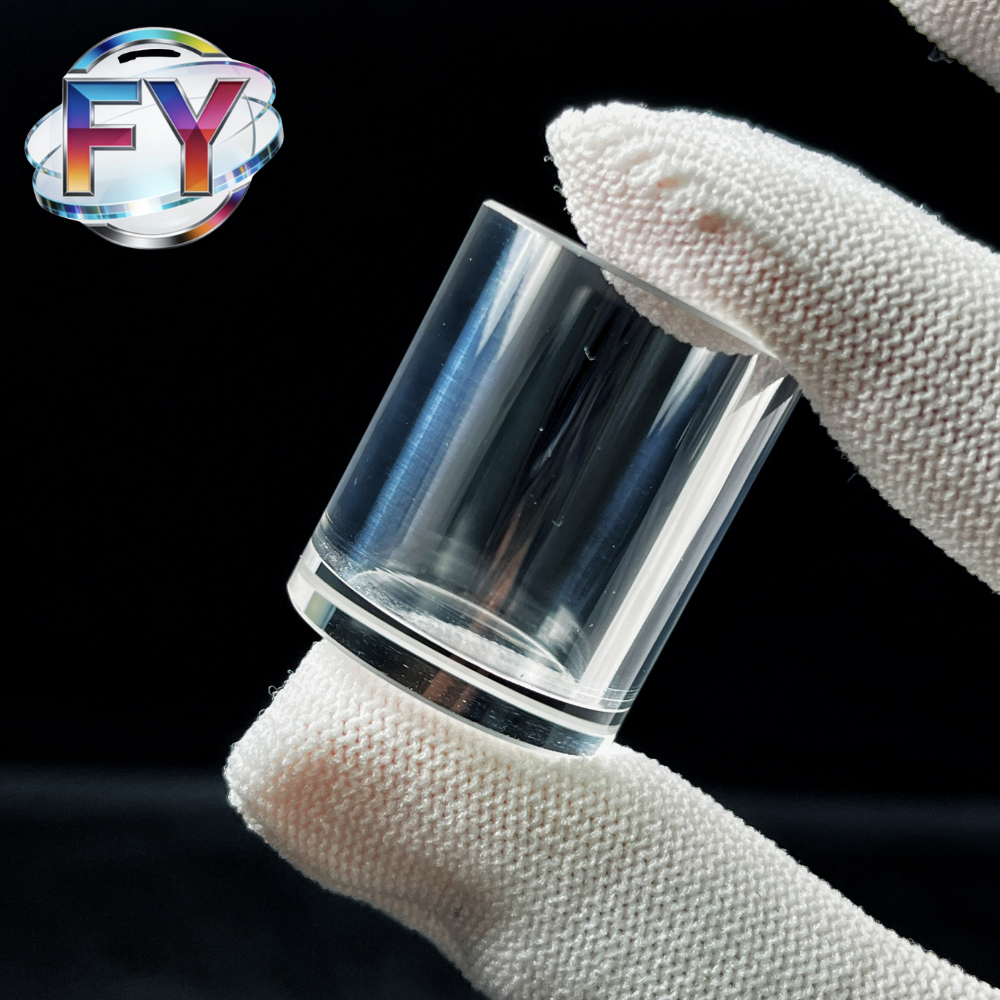
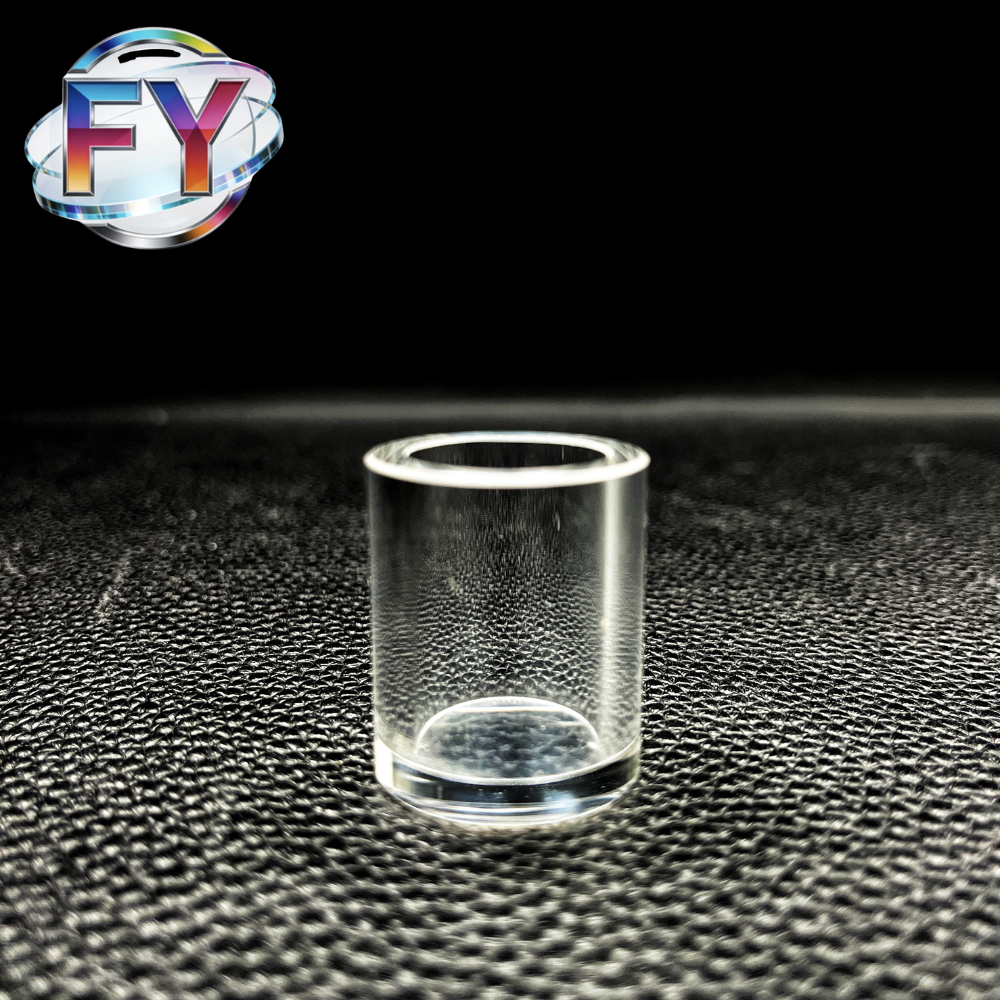
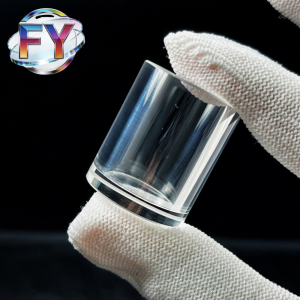
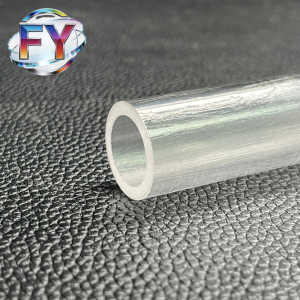
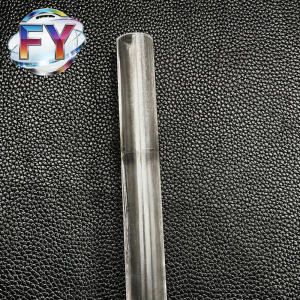
 Sapphire tubes are advanced tubular components manufactured from high-purity single-crystal aluminum oxide (Sapphire (Al₂O₃ single crystal)). Combining exceptional mechanical strength, extreme thermal resistance, and broad optical transparency, sapphire tubes are widely used in demanding environments where conventional materials such as quartz, glass, or alumina cannot meet performance requirements.
Due to their unique crystal structure, sapphire tubes offer superior durability, chemical inertness, and dimensional stability even under harsh operating conditions. These properties make them an essential material in semiconductor processing, high-temperature furnaces, optical systems, and analytical instrumentation.
Core Advantages
 1. Exceptional Thermal Resistance
Sapphire has a melting point of approximately 2050°C and maintains excellent structural stability under extreme temperatures. Sapphire tubes can operate continuously in high-temperature environments (up to ~2000°C in vacuum or inert atmospheres), making them ideal for furnace systems, thermal processing, and high-energy applications.
2. Superior Mechanical Strength and Hardness
With a Mohs hardness of 9, sapphire is one of the hardest engineering materials available. Sapphire tubes exhibit outstanding wear resistance, scratch resistance, and long service life, significantly outperforming quartz and ceramic alternatives in abrasive or high-load environments.
3. Broad Optical Transmission
Sapphire tubes provide excellent optical transmission across a wide spectral range, from ultraviolet (UV) to infrared (IR) (approximately 200–5000 nm). This makes them suitable for optical protection tubes, laser systems, lamp envelopes, and spectroscopic applications.
4. Excellent Chemical Stability
Sapphire is highly resistant to acids, alkalis, and corrosive gases. It remains stable in aggressive chemical and plasma environments, making it suitable for semiconductor processing and chemical analysis systems.
5. High Electrical Insulation
As a dielectric material, sapphire offers excellent electrical insulation properties, making it ideal for use in high-voltage or high-frequency electronic systems.
Technical Specifications
| Parameter | Specification |
|---|---|
| Material | Single-crystal Al₂O₃ (Sapphire) |
| Purity | ≥ 99.99% |
| Outer Diameter | 0.5 mm – 200 mm |
| Inner Diameter | 0.2 mm – 180 mm |
| Length | Up to 1200 mm |
| Optical Transmission | 200 – 5000 nm |
| Working Temperature | Up to ~2000°C (vacuum/inert gas) |
| Hardness | Mohs 9 |
Typical Applications
Semiconductor Industry
Used as process tubes, protective sleeves, wafer handling components, and insulating parts in epitaxy, diffusion, and plasma processing equipment.
High-Temperature Furnace Systems
Widely used as thermocouple protection tubes, observation tubes, and structural components in extreme heat environments.
Optical and Laser Systems
Applied in laser protection tubes, optical transmission paths, lamp envelopes, and high-precision optical assemblies.
Analytical and Scientific Instruments
Used in spectroscopy systems, chemical analysis chambers, and laboratory equipment requiring both transparency and durability.
Industrial and Aerospace Applications
Suitable for harsh environments involving high temperature, mechanical stress, and corrosive conditions.
KY vs EFG Sapphire Tubes (Key Differences)
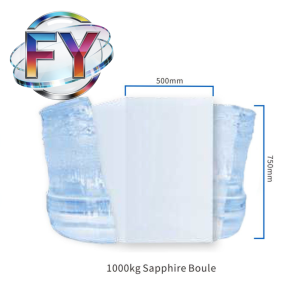
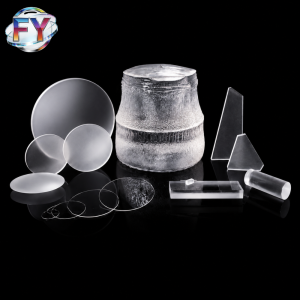
Sapphire tubes are primarily manufactured using two methods: Kyropoulos (KY) and Edge-Defined Film-Fed Growth (EFG). Each has distinct advantages depending on application requirements.
| Aspect | KY Sapphire Tube | EFG Sapphire Tube |
|---|---|---|
| Manufacturing Method | Machined from bulk-grown crystal | Directly grown into tube shape |
| Crystal Quality | Higher (low defects, low stress) | Moderate |
| Optical Performance | ممتاز (high uniformity) | Good |
| Mechanical Strength | Higher | Moderate |
| Dimensional Flexibility | High (precision machining) | Limited by growth process |
| Cost | Higher | More cost-effective |
| Typical Use | High-end optics, semiconductor | Industrial, general applications |
Summary:
- KY sapphire tubes are preferred for high-precision, high-performance applications
- EFG sapphire tubes are more suitable for cost-sensitive and large-scale industrial use
 Customization Options
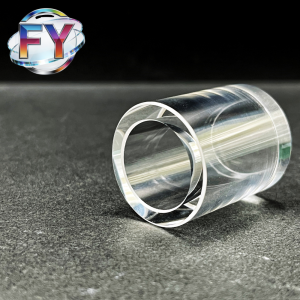
Sapphire tubes can be customized to meet specific application needs, including:
- Outer and inner diameter precision control
- Length customization up to 1200 mm
- Surface finish: as-grown, ground, or optical polished
- Single-end or double-end polishing
- Crystal orientation (C-axis, A-axis, etc.)
- Tight tolerance control for critical applications
FAQ
Q1: What are the main advantages of sapphire tubes over quartz tubes?
A1: Sapphire tubes offer significantly higher hardness, better thermal stability, superior chemical resistance, and wider optical transmission, especially in harsh environments.
Q2: Can sapphire tubes be used in ultra-high temperature environments?
A2: Yes. Sapphire tubes can operate at temperatures approaching 2000°C under vacuum or inert gas conditions, making them suitable for extreme thermal applications.
Q3: Which is better, KY or EFG sapphire tubes?
A3: KY sapphire tubes provide higher crystal quality and are ideal for high-end applications, while EFG tubes are more cost-effective and suitable for general industrial use.


Reviews
There are no reviews yet.