
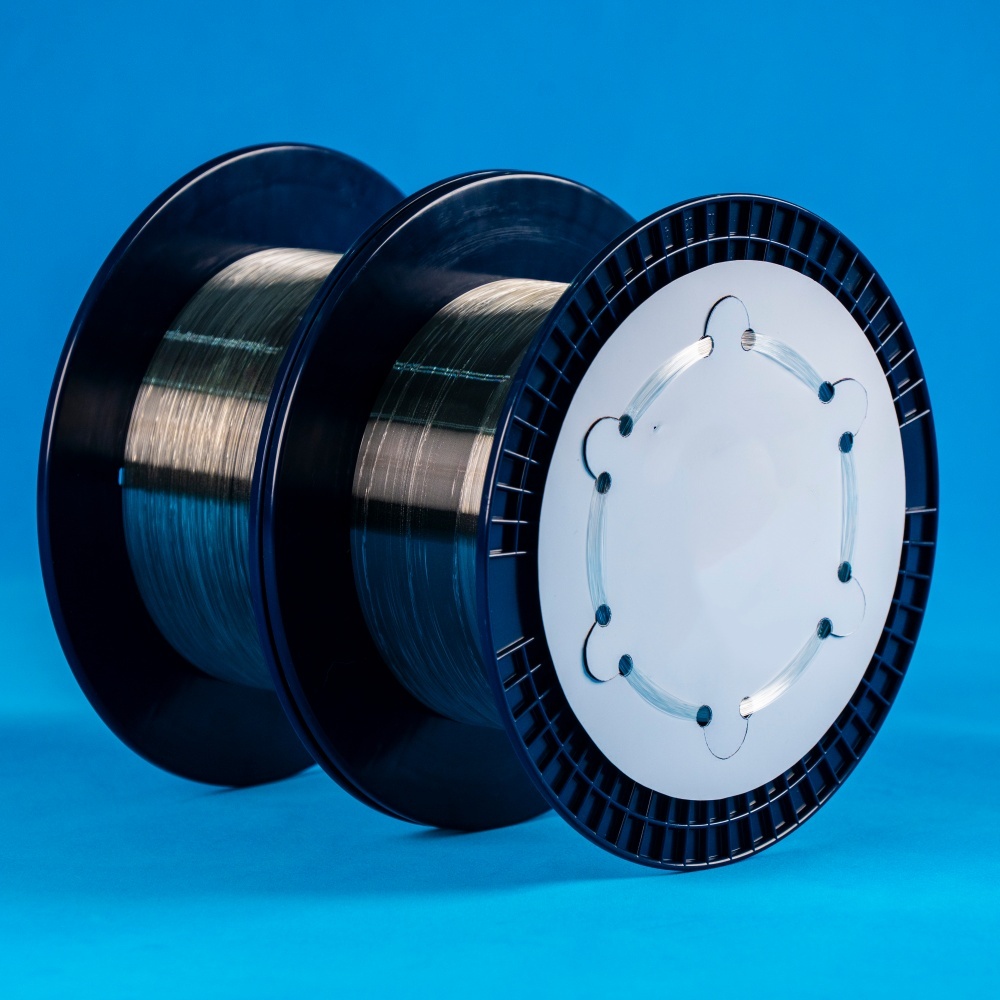
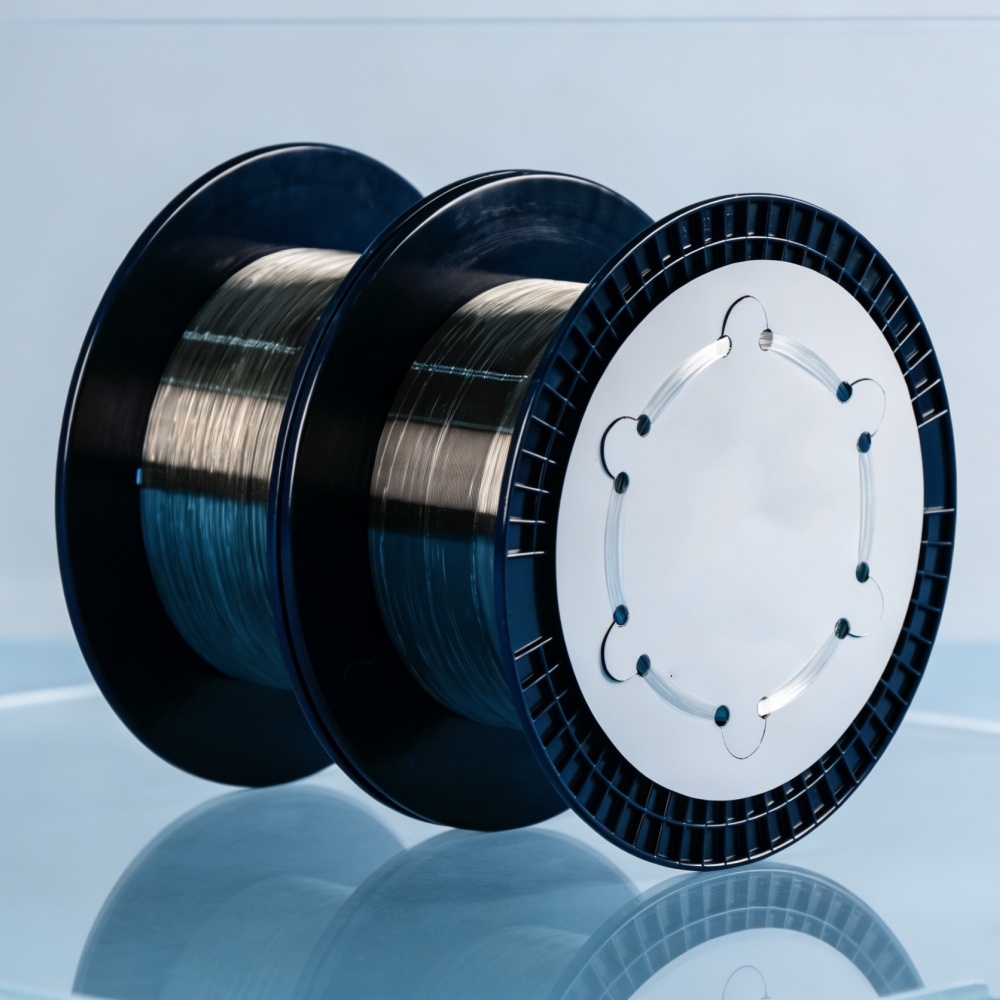
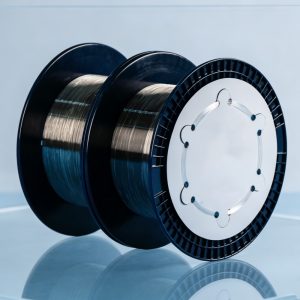
 Sapphire Optical Fiber, also known as Sapphire-Derived Fiber (SDF), is a next-generation high-temperature optical transmission solution manufactured from single-crystal aluminum oxide (Al₂O₃).
Using advanced rod-in-tube fabrication technology, this fiber combines the structural integrity of sapphire with flexible optical design, enabling reliable signal transmission in environments where conventional silica fibers rapidly degrade.
Designed for extreme operating conditions, SDF fiber delivers stable performance under high temperature, high pressure, corrosive media, and radiation exposure, making it a critical material for advanced sensing and industrial monitoring systems.
Core Performance Highlights
Extreme Temperature Capability
Maintains optical and mechanical stability up to 1400°C (short-term) and 1000°C (continuous operation).
Superior Bend & Structural Integrity
Unlike silica fibers, sapphire fiber maintains structural stability under thermal expansion and mechanical stress.
Infrared Transmission Optimization
Wide operating wavelength range (1300–2000 nm) supports infrared sensing, spectroscopy, and thermal diagnostics.
Low Attenuation in Harsh Conditions
Typical transmission loss ≤2 dB/m @1550 nm, ensuring usable signal integrity in extreme environments.
Multi-Mode Flexibility
Supports single-mode, few-mode, and multi-mode configurations for different sensing and transmission needs.
Fully Customizable Design
Adjustable core size, cladding diameter, coating materials, NA, and refractive index profile.
Technical Data Sheet
Optical Parameters
| Parameter | Specification |
|---|---|
| Operating Wavelength | 1300 – 2000 nm |
| Transmission Loss | ≤ 2 dB/m @1550 nm |
| Numerical Aperture | 0.3 – 0.5 |
| Transmission Mode | Single / Few / Multi-mode |
Fiber Structure
| Parameter | Specification |
|---|---|
| Core Diameter | 5 – 20 μm (±1 μm) |
| Cladding Diameter | 100 – 250 μm (±1 μm) |
| Coating Diameter | 200 – 350 μm (±1 μm) |
Extreme Environment Performance
| Parameter | Specification |
|---|---|
| Short-Term Temperature | ≤ 1400°C |
| Long-Term Temperature | ≤ 1000°C |
| Refractive Index Modulation | ≤ 0.015 (tunable) |
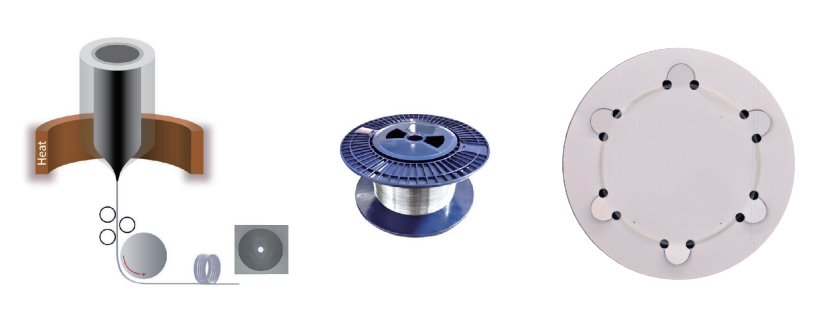 Manufacturing Technology
SDF fiber is produced through precision-controlled crystal growth and fiber forming technologies:
- Rod-in-Tube Fabrication Process
- Laser Heated Pedestal Growth (LHPG)
- Edge-Defined Film-Fed Growth (EFG)
These advanced methods ensure:
- High crystal purity
- Stable refractive index profile
- Excellent dimensional consistency
- Reliable optical performance
Application Scenarios
High-Temperature Industrial Monitoring
Used in furnaces, kilns, and metal processing systems for real-time temperature measurement.
Aerospace & Turbine Systems
Enables sensing inside jet engines and gas turbines where temperatures exceed silica fiber limits.
Oil & Gas Exploration
Suitable for downhole sensing in high-pressure and high-temperature wells.
Nuclear & Radiation Environments
Maintains performance under radiation exposure and extreme conditions.
Infrared Optical Systems
Applied in spectroscopy, thermal imaging, and optical diagnostics.
Combustion Analysis Systems
Used for flame monitoring and combustion efficiency analysis.
Comparison: Sapphire Fiber vs Silica Fiber
| Feature | Sapphire Optical Fiber | Silica Optical Fiber |
|---|---|---|
| Max Temperature | 1400°C | ~1000°C |
| Mechanical Strength | Extremely High | Medium |
| Corrosion Resistance | Excellent | Moderate |
| Infrared Performance | Strong | Limited |
| Application Focus | Harsh Environments | Telecom Transmission |
Why Choose Our Sapphire Optical Fiber
- Stable supply for industrial and research applications
- Strict dimensional and optical quality control
- Custom production capability for special projects
- Technical support for application integration
- Suitable for OEM and bulk procurement
FAQ
What makes sapphire optical fiber different from silica fiber?
Sapphire fiber is designed for extreme environments, offering higher temperature resistance and mechanical durability than silica fiber.
Can this fiber be customized?
Yes, all key parameters including diameter, NA, coating, and transmission mode can be tailored.
Is it suitable for telecommunications?
It is mainly used for sensing and harsh environments rather than long-distance telecom due to higher attenuation.
What industries typically use SDF fiber?
Aerospace, energy, oil & gas, nuclear, and industrial manufacturing sectors.
Reviews
There are no reviews yet.