
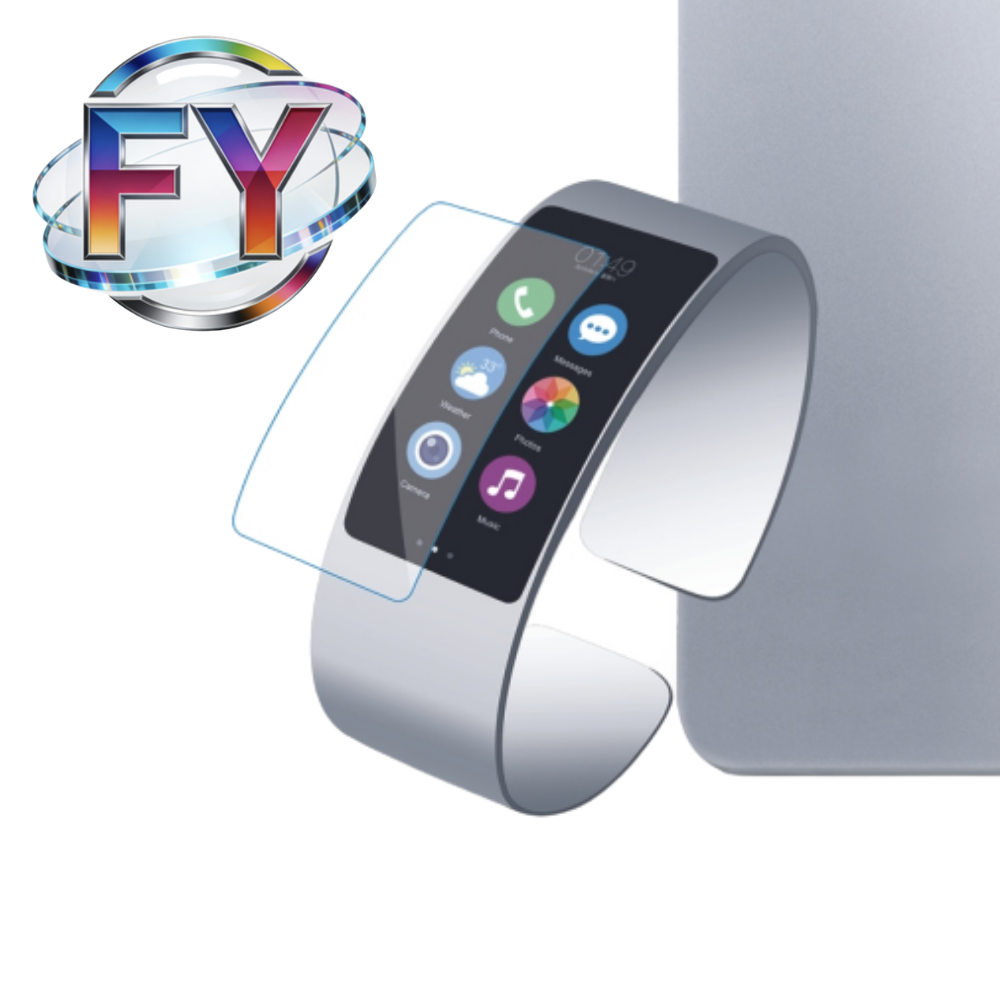

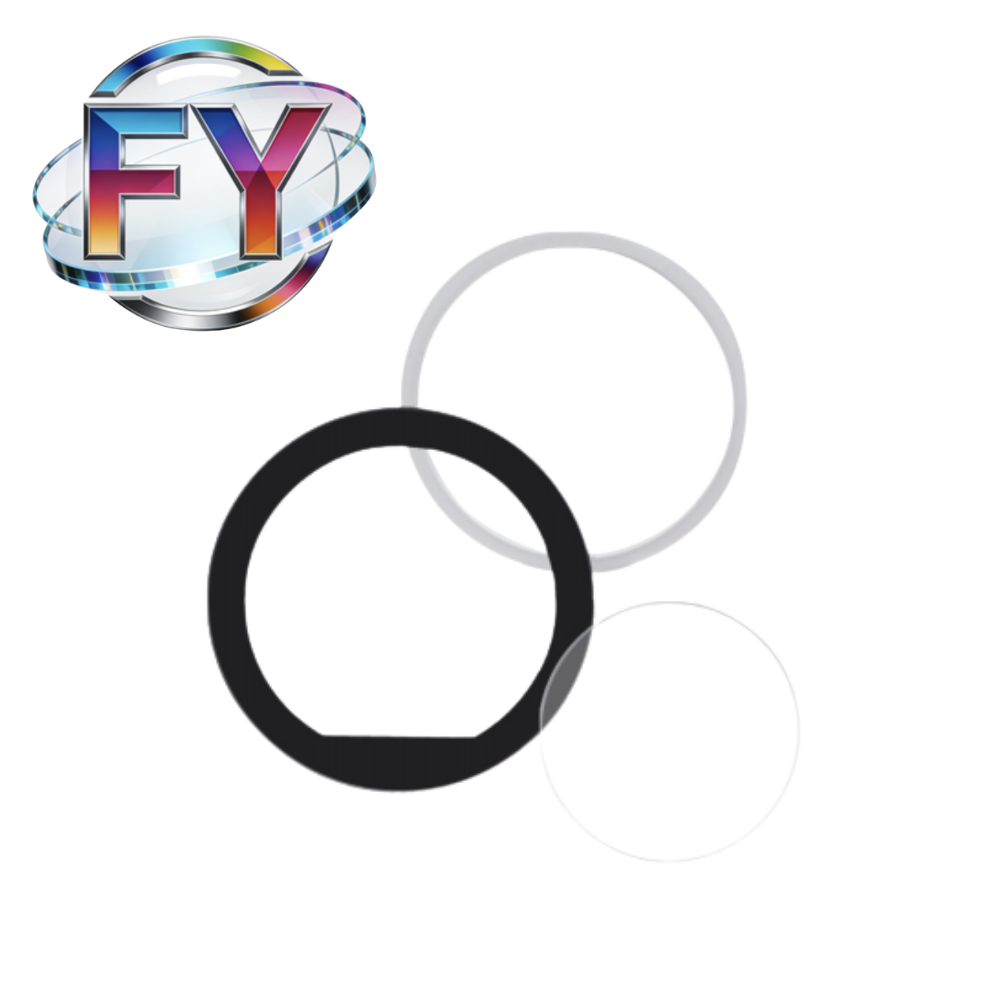
Sapphire wearable components are widely used in smart wearable devices and precision sensor systems that require high durability, optical clarity, and long-term reliability. As wearable electronics continue to evolve toward smaller sizes and higher integration, material performance requirements for protective and optical components have become increasingly demanding.
Synthetic sapphire is a single-crystal aluminum oxide (Al₂O₃) material with exceptional hardness, excellent optical transmission, and outstanding chemical stability. With a Mohs hardness of 9, sapphire provides superior scratch resistance and wear resistance compared to conventional optical materials, making it an ideal choice for protective windows and functional components in wearable applications.
Sapphire wearable components are commonly used as protective covers, optical windows, and sensor interface elements in devices that operate in continuous contact with the human body and external environments.

Application Areas
Sapphire wearable components are widely used in:
- Smart Watch Cover Glass
- Smart Ring Windows
- Fitness Tracking Device Covers
- Heart Rate Monitoring Windows
- Blood Oxygen Sensor Windows
- Fingerprint Recognition Windows
- Miniature Camera Protection Lenses
- Optical Sensor Windows
- Medical Wearable Device Covers
- High-Precision Biometric Modules
Key Features
Exceptional Scratch Resistance
Sapphire has a Mohs hardness of 9, making it highly resistant to scratches caused by daily wear, friction, and external contact.
High Optical Transparency
Sapphire provides excellent transmission in both visible and near-infrared wavelengths, supporting accurate performance of optical and biometric sensors.
Superior Wear Resistance
Designed for long-term use in wearable environments, sapphire maintains stable surface quality even under continuous physical contact.
Excellent Chemical Stability
Sapphire is resistant to sweat, moisture, cosmetics, and common cleaning agents, making it suitable for direct skin-contact applications.
Long-Term Durability
Sapphire maintains its optical and mechanical properties over extended service life without yellowing or performance degradation.
Premium Surface Finish
Precision polishing processes ensure high surface quality, delivering excellent transparency and a premium visual appearance.
Product Specifications
| Parameter | Specification |
|---|---|
| Material | Synthetic Sapphire (Al₂O₃) |
| Crystal Structure | Single Crystal |
| Hardness | Mohs 9 |
| Density | 3.98 g/cm³ |
| Purity | ≥99.99% |
| Optical Transmission | Up to 85% |
| Surface Quality | Optical Grade |
| Thickness | Customized |
| Dimensions | Customized |
| Surface Finish | SSP / DSP |
| Edge Processing | Ground / Chamfered / Polished |
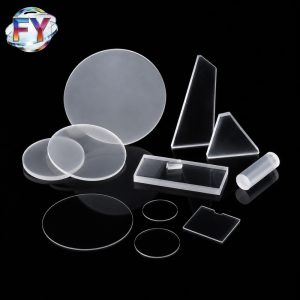
| Shape Options | Round / Square / Rectangular / Custom |
Product Types
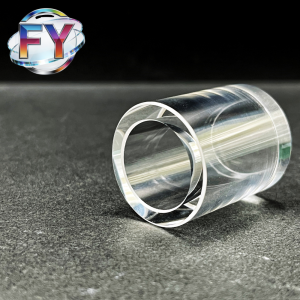
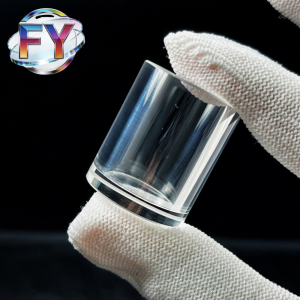
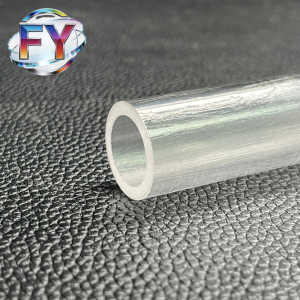
Sapphire Smart Watch Glass
Used for protecting smartwatch displays with high scratch resistance and excellent optical clarity.
Sapphire Smart Ring Windows
Miniature sapphire components designed for compact wearable devices and integrated sensor modules.
Sapphire Sensor Covers
Protective windows for heart rate monitoring, blood oxygen detection, and other biometric sensing systems.
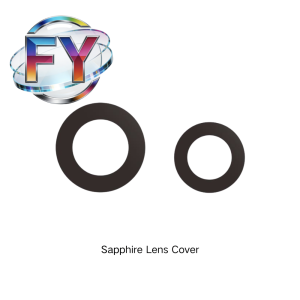
Sapphire Camera Protection Lenses
High-strength sapphire covers for miniature imaging modules used in wearable electronics.
Sapphire Optical Windows
Precision optical components designed for wearable devices requiring stable light transmission.
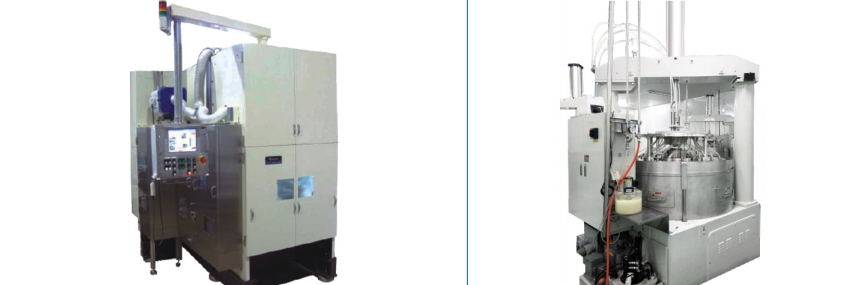
Manufacturing Capabilities
We provide custom sapphire wearable component manufacturing based on drawings and technical requirements, including:
- Precision Cutting
- CNC Machining
- Micro Drilling
- Slot Processing
- Optical Polishing
- Double-Side Polishing
- Edge Grinding
- Custom Shape Processing
- Prototype Development
- Mass Production
Why Sapphire for Wearable Devices
Wearable devices operate in environments with constant friction, impact, and environmental exposure. Sapphire provides a unique combination of hardness, optical clarity, and chemical resistance, making it one of the most reliable materials for protective and optical components.
It helps improve product durability, maintain sensor performance, and enhance overall device appearance throughout the product lifecycle.
FAQ
What are sapphire wearable components used for?
They are used as protective covers, optical windows, and sensor interfaces in smart wearable devices and biometric systems.
Can sapphire wearable components be customized?
Yes. Dimensions, shapes, thickness, surface finishing, and machining details can all be customized according to requirements.
Which devices commonly use sapphire components?
Smart watches, smart rings, fitness trackers, biometric sensors, medical wearables, and optical sensing devices.

Reviews
There are no reviews yet.