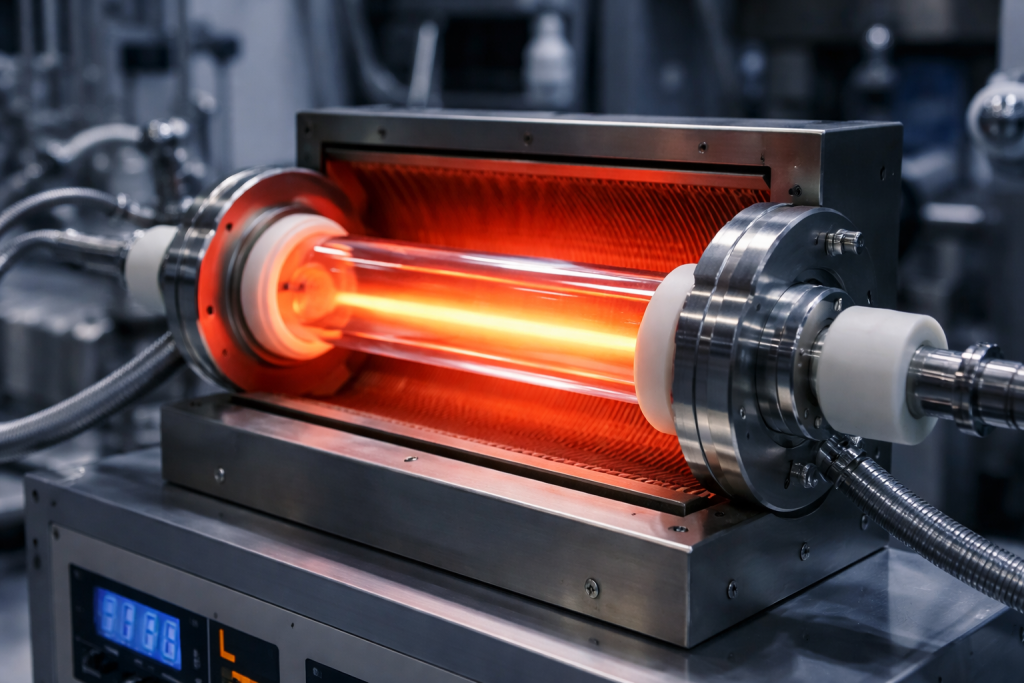
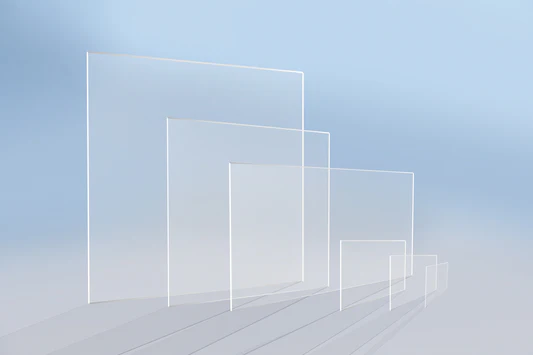
Az olvasztott kvarc (más néven olvasztott szilícium-dioxid) az egyik legkritikusabb nagy teljesítményű anyag, amelyet a modern ipari, optikai és félvezető környezetben használnak. A hőstabilitás, az optikai átlátszóság és a vegyi ellenállás egyedülálló kombinációja nélkülözhetetlenné teszi olyan szélsőséges üzemi körülmények között, ahol a hagyományos üveg vagy kerámia nem működik.
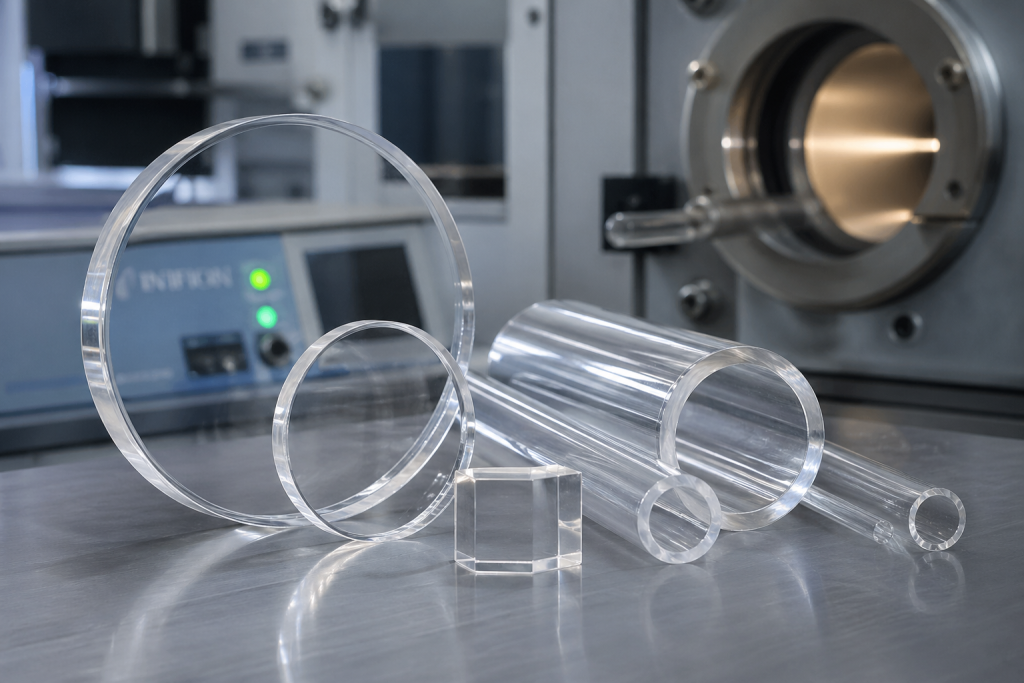
1. Mi az olvasztott kvarc?
Olvasztott kvarc a szilícium-dioxid (SiO₂) nagy tisztaságú formája, amelyet természetes kvarckristály vagy szintetikus szilícium-dioxid rendkívül magas hőmérsékleten (általában 1700 °C felett) történő megolvasztásával és gyors lehűtésével nem kristályos (amorf) szerkezetűvé alakítanak.
A hagyományos üveggel ellentétben az olvasztott kvarc:
- Rendkívül alacsony hőtágulás
- Magas UV és IR közötti optikai áteresztőképesség
- Kiváló kémiai inertitás
- Magas lágyulási hőmérséklet (~1,660°C)
E tulajdonságai miatt a félvezető-, a lézer-, a repülőgépiparban és a vegyiparban is kedvelt anyag.
2. Olvasztott kvarc ablakok
2.1 Funkció és cél
Az olvasztott kvarcablakok átlátszó optikai akadályok, amelyeket a környezetek elszigetelésére használnak, miközben a fényt vagy a sugárzást minimális torzítással engedik át.
Széles körben használják a következőkben:
- Félvezető technológiai kamrák
- Magas hőmérsékletű kemencék
- UV sterilizáló rendszerek
- Lézer és fotonikai berendezések
- Vákuum- és plazmarendszerek
2.2 A fő teljesítményelőnyök
| Ingatlan | Előny ipari felhasználás esetén |
|---|---|
| Nagy optikai áteresztőképesség (UV-IR tartomány) | Pontos optikai érzékelést és lézeradagolást tesz lehetővé |
| Alacsony hőtágulás | Megakadályozza a repedést gyors hőmérséklet-változások esetén |
| Nagy tisztaság | Minimálisra csökkenti a szennyeződést félvezető környezetben |
| Kémiai ellenállás | Stabil savas és oxidatív környezetben |
2.3 Mérnöki betekintés
A nagy energiájú környezetben, például plazmavéső kamrákban a fuzionált kvarcablakok még hőciklusok és ionbombázás esetén is megőrzik szerkezeti integritásukat. Ez teszi őket a fejlett gyártási rendszerekben a boroszilikát üveghez képest kiválóbbá.
3. Olvasztott kvarc csövek
3.1 Ipari szerep
Az olvasztott kvarccsövek hengeres alkatrészek, amelyeket elsősorban termikus, kémiai és félvezető eljárásokban használnak. Ezek a következőként működnek:
- Reakciókamrák
- Kemencék csövei
- Diffúziós és oxidációs csövek
- Kémiai szállítócsatornák
3.2 Miért kritikusak a kvarccsövek?
A kvarc hőtágulási együtthatója≈0,55×10⁻⁶/K
Ez a rendkívül alacsony hőtágulás az oka annak, hogy a kvarccsövek deformáció vagy repedés nélkül képesek ellenállni a gyors fűtési és hűtési ciklusoknak.
3.3 Alkalmazás a félvezetőiparban
Az ostyafeldolgozásban kvarccsöveket használnak:
- Termikus oxidációs kemencék
- LPCVD (alacsony nyomású kémiai gőzfázisú leválasztás) rendszerek
- Izzítási folyamatok
Rendkívül nagy tisztaságuk biztosítja, hogy semmilyen fémszennyezés nem befolyásolja az ostyák minőségét.
3.4 Főbb előnyök
- Magas hőmérsékleti ellenállás (>1200°C folyamatos használat)
- Kiváló termikus sokkállóság
- Nagy kémiai tisztaság
- Stabil mechanikai teljesítmény vákuumban
4. Optikai olvasztott kvarc rendszerek
4.1 Áttekintés
Az optikai olvasztott kvarcrendszerek közé tartoznak a nagy pontosságú környezetben használt lencsék, prizmák, sugárelosztók és speciális optikai egységek.
Ezeket a rendszereket a következőkre tervezték:
- Lézersugár alakítása
- UV litográfia
- Spektroszkópia
- Űroptika
- Tudományos műszerek
4.2 Optikai teljesítményjellemzők
| Ingatlan | Mérnöki haszon |
|---|---|
| Széles spektrális áteresztőképesség (mély UV-től az IR-ig) | Lehetővé teszi a többsávos optikai rendszereket |
| Alacsony kettőstörés | Fenntartja a sugár minőségét a lézeralkalmazásokban |
| Magas sugárzásállóság | Alkalmas űr- és nukleáris környezetbe |
| Alacsony fluoreszcencia | A nagy pontosságú spektroszkópiához elengedhetetlen |
4.3 Félvezető és fotonikai felhasználási esetek
A fotolitográfiai rendszerekben az olvasztott kvarc optikát használják az UV-fény pontos továbbítására a nanométeres méretű áramkörök mintázásához. Bármilyen anyagtorzulás közvetlenül befolyásolná a chipek hozamát, ezért a kvarc ipari szabvány.
5. Gyártási és minőségi megfontolások
A nagy teljesítményű olvasztott kvarc alkatrészek szigorú gyártási ellenőrzést igényelnek:
- Nyersanyag tisztaság (SiO₂ ≥ 99,99%)
- Irányított magas hőmérsékletű olvasztás
- Precíziós megmunkálás és polírozás
- Felületi hibák vizsgálata (karcolás/horpadás szabványok)
- Mérettűrés-ellenőrzés (különösen félvezető felhasználás esetén)
A fejlett beszállítók is biztosítanak:
- Egyedi geometria kialakítása
- Bevonat (fényvisszaverődésgátló / védőrétegek)
- Tisztaszobai csomagolás
- Nyomonkövethetőségi tanúsítvány
6. Olvasztott kvarc vs. alternatív anyagok
| Anyag | Hőstabilitás | Optikai minőség | Kémiai ellenállás | Ipari felhasználás |
|---|---|---|---|---|
| Olvasztott kvarc | Kiváló | Kiváló (UV-IR) | Kiváló | Félvezető, optika |
| Boroszilikát üveg | Közepes | Jó | Közepes | Laboreszközök, alacsony hőmérsékletű rendszerek |
| Zafír | Nagyon magas | Kiváló | Kiváló | Extrém optika, nyomásablakok |
| Standard üveg | Alacsony | Korlátozott | Alacsony | Általános használat |
7. Miért részesíti előnyben az ipar az olvasztott kvarcot
Mérnöki szempontból az olvasztott kvarcot akkor választják ki, ha egyszerre három feltételre van szükség:
- Magas hőmérsékleti ellenállás
- Nagy optikai teljesítmény
- Kémiai és környezeti stabilitás
Ez a kombináció ritka a műszaki anyagok között, így a kvarc stratégiai fontosságú anyag a fejlett gyártási ökoszisztémákban.
8. Következtetés
Az olvasztott kvarc alkatrészek - beleértve az ablakokat, csöveket és optikai rendszereket - alapvető szerepet játszanak a modern csúcstechnológiai iparágakban. Teljesítményüket kivételes hőstabilitás, optikai átlátszóság és vegyi ellenállás jellemzi, ami nélkülözhetetlenné teszi őket a félvezetőgyártásban, a fotonikában, a repülőgépiparban és a vegyipari feldolgozásban.
Ahogy az ipari követelmények egyre inkább a nagyobb pontosság és a keményebb környezetek felé fejlődnek, a kereslet tovább fog nőni a tervezett olvasztott kvarc megoldások iránt.