
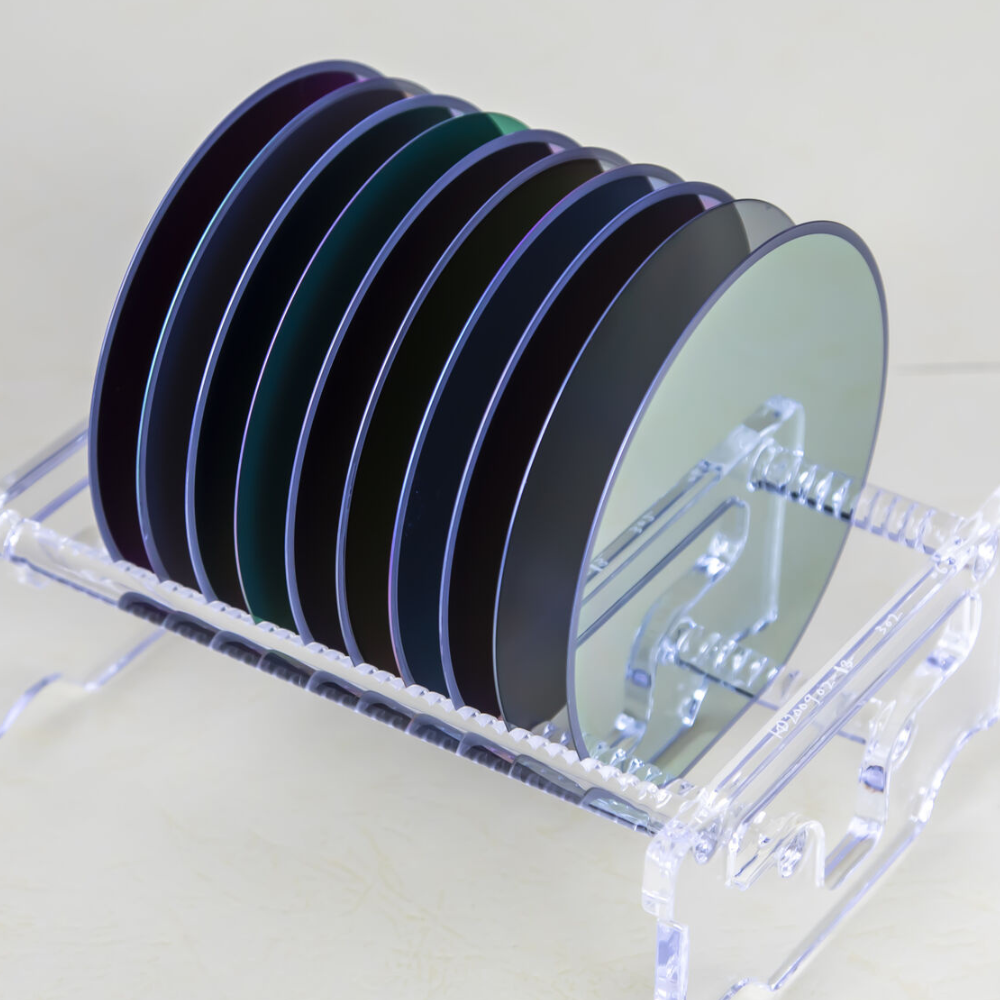
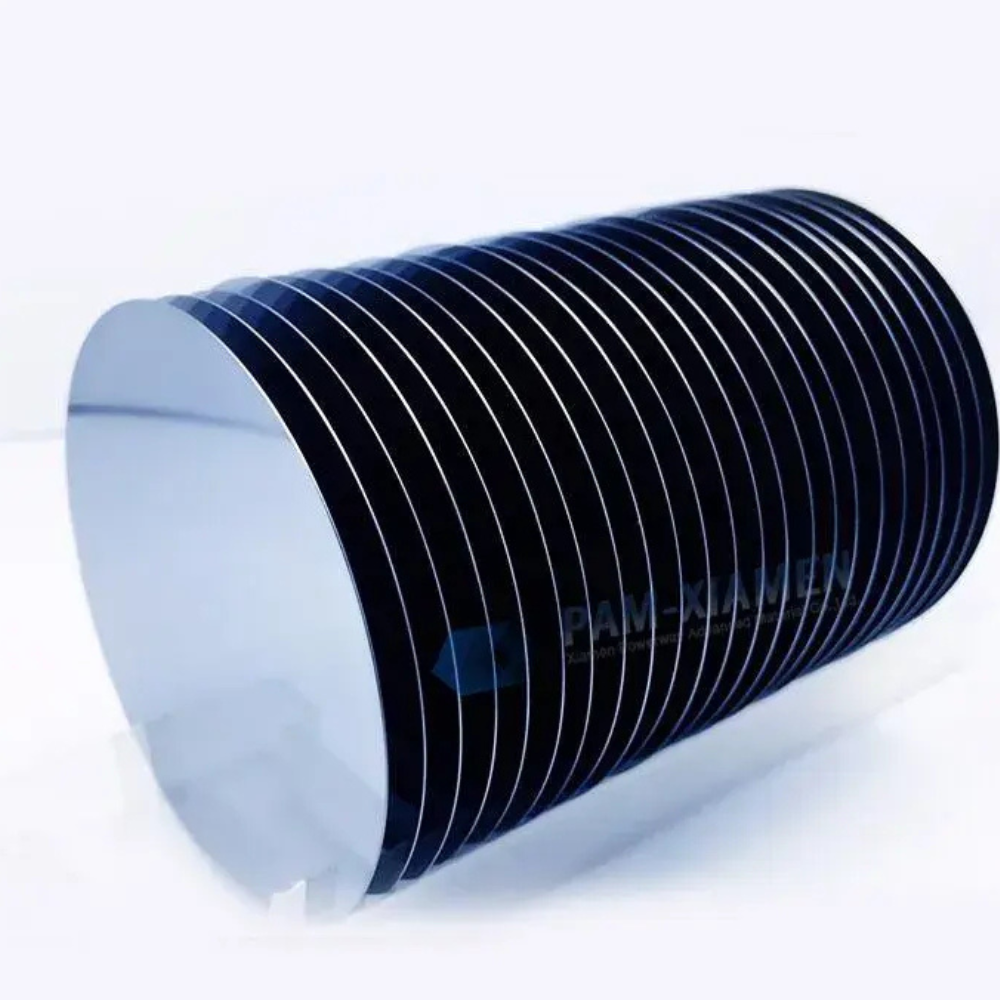
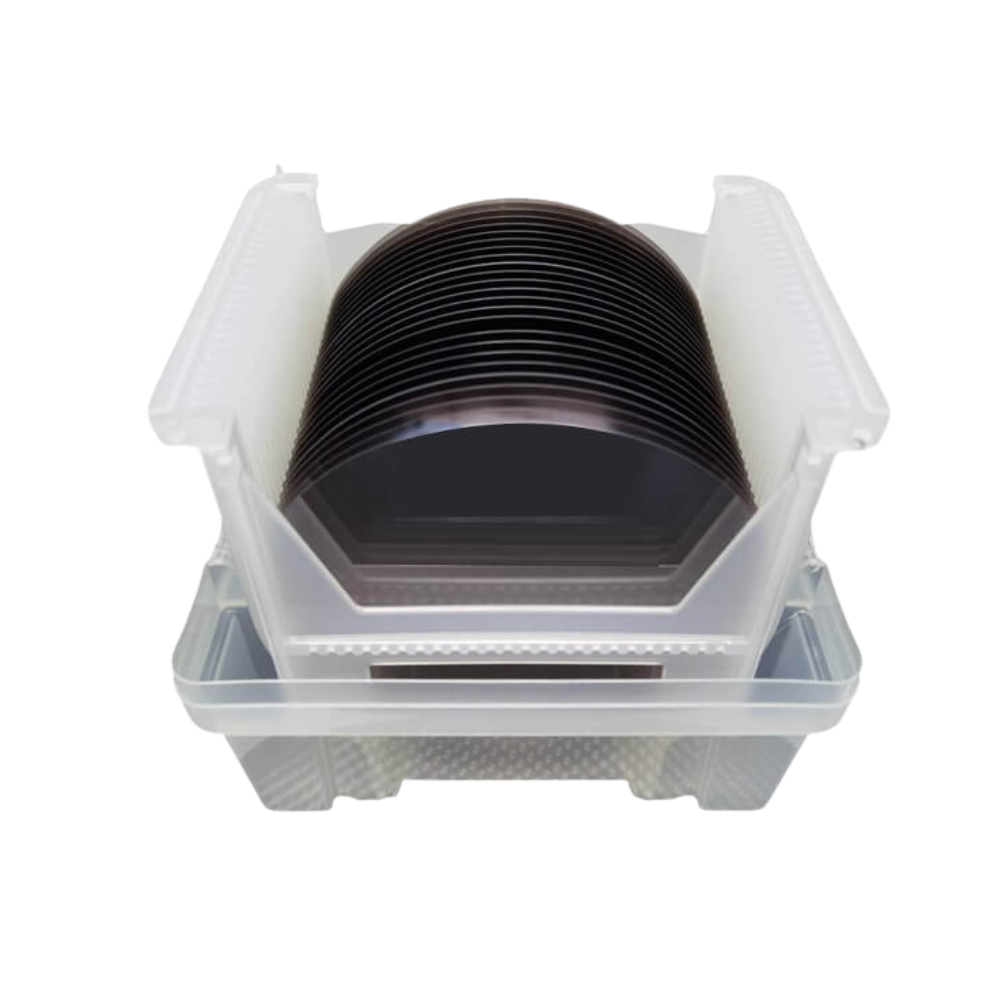
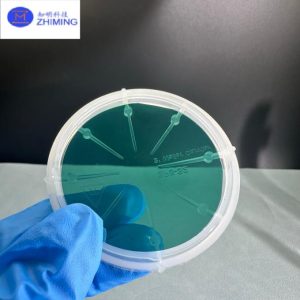
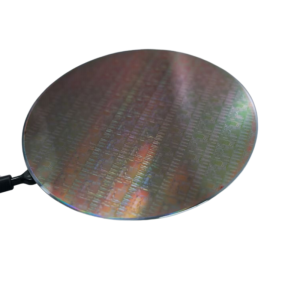
Lithium Tantalate on Insulator LTOI wafers are advanced piezoelectric thin-film substrates designed for
high-performance surface acoustic wave (SAW) devices, particularly temperature-compensated SAW (TC-SAW) filters used in modern R
F front-end systems.
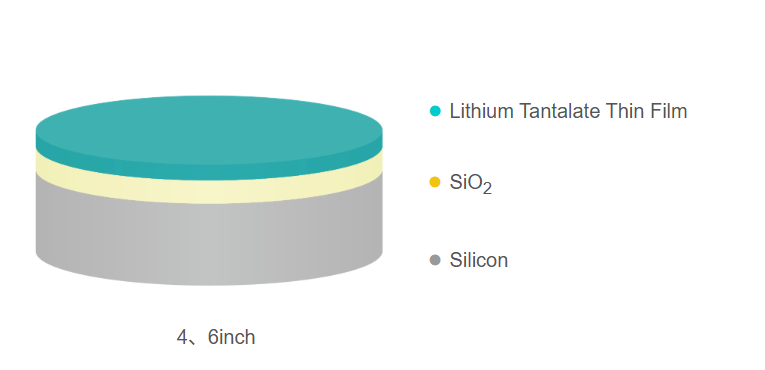
The LTOI structure is typically composed of a lithium tantalate (LiTaO₃) thin film bonded onto an insulating layer such as silicon dioxide (SiO₂), which is supported by a silicon substrate. This engineered layered structure enables improved acoustic wave confinement, reduced energy loss, and enhanced temperature stability compared with conventional bulk lithium tantalate substrates.
LTOI wafers are widely used in mobile communication systems, including RF filters for smartphones and wireless communication infrastructure operating in 4G, 5G, and emerging high-frequency bands.
Material Structure and Principle
LTOI wafers consist of three functional layers:
- Functional layer: Lithium tantalate (LiTaO₃) thin film, responsible for piezoelectric and acoustic wave generation
- Insulating layer: SiO₂ layer for acoustic isolation and electrical insulation
- Substrate: Silicon wafer providing mechanical support and compatibility with semiconductor processing
The thin-film configuration allows surface acoustic waves to be tightly confined within the active layer, improving device efficiency and reducing parasitic losses into the substrate.
Quy trình sản xuất
LTOI wafers are typically fabricated using wafer bonding and ion implantation techniques:
- Ion implantation
Helium ions are implanted into bulk lithium tantalate crystals to create a controlled weakened layer at a precise depth. - Wafer bonding
The implanted lithium tantalate is bonded to a silicon-based substrate with an insulating SiO₂ layer under controlled temperature and pressure. - Thermal annealing
Annealing is applied to activate layer separation along the implanted plane and strengthen the bonding interface. - Thin-film transfer and finishing
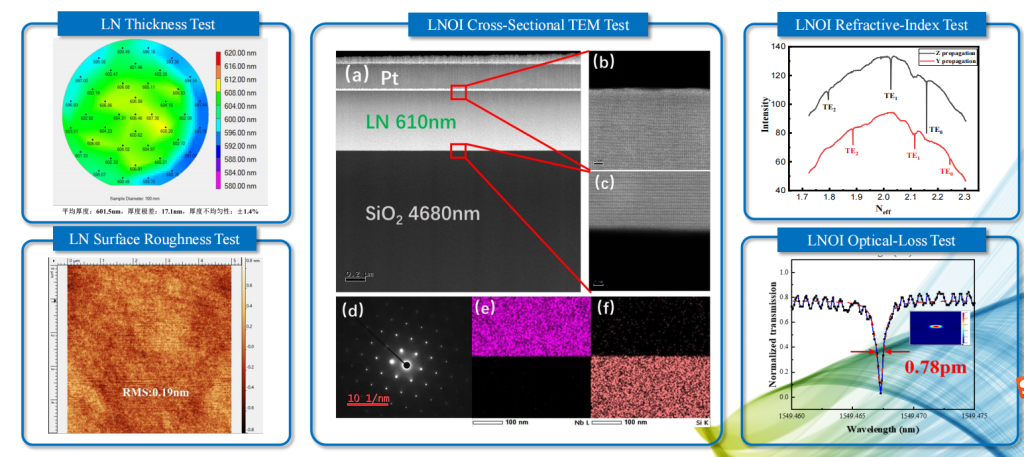
The separated lithium tantalate layer is transferred and polished to achieve the required thickness, surface roughness, and uniformity.
This process enables precise control of film thickness and crystal quality, which is critical for high-frequency SAW device performance.
Những ưu điểm nổi bật
1. Excellent Temperature Stability
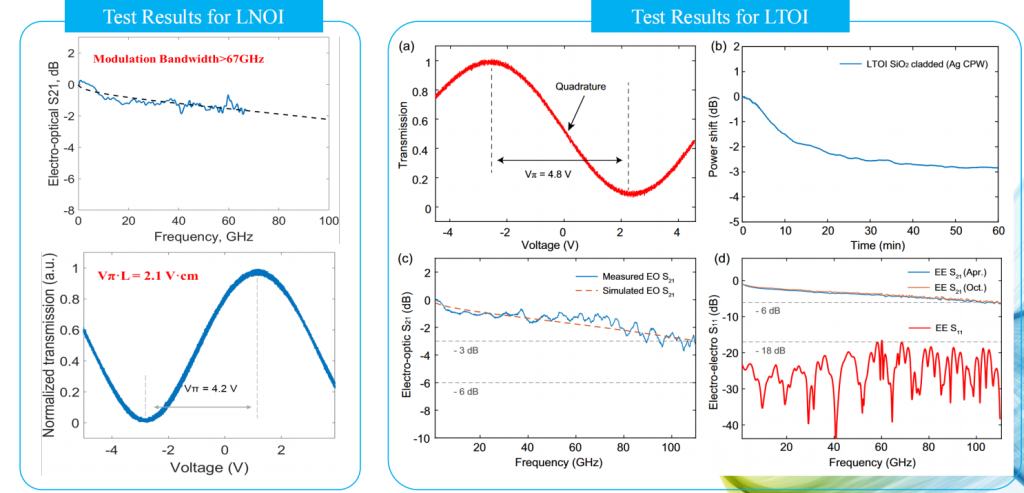
LTOI wafers significantly reduce frequency drift caused by temperature variation. This makes them suitable for temperature-compensated SAW (TC-SAW) filter applications in RF systems.
2. High Electromechanical Coupling
Lithium tantalate exhibits strong piezoelectric properties, enabling efficient conversion between electrical signals and surface acoustic waves.
3. High-Frequency Performance
The thin-film structure supports operation at higher frequencies compared with bulk lithium tantalate, meeting the requirements of modern RF front-end modules.
4. Improved Acoustic Confinement
The insulating layer reduces acoustic energy leakage into the substrate, improving device quality factor (Q) and overall filter performance.
5. Semiconductor Process Compatibility
LTOI wafers are compatible with standard wafer-level fabrication processes, supporting scalable production of RF devices.
Ứng dụng
LTOI wafers are primarily used in RF and wireless communication systems, including:
- Temperature-compensated SAW (TC-SAW) filters
- RF front-end modules in smartphones
- Bandpass filters for mobile communication systems
- Wireless communication infrastructure
- High-frequency signal processing components
These applications are essential in 4G, 5G, and next-generation wireless networks where frequency stability, miniaturization, and low power consumption are required.
Technical Significance
Compared with conventional bulk lithium tantalate substrates, LTOI technology provides:
- Reduced temperature-induced frequency shift
- Improved acoustic wave confinement efficiency
- Enhanced integration capability with silicon-based platforms
- Better scalability for mass production of RF filters
These advantages make LTOI a key enabling material for advanced RF front-end filter technology.
Câu hỏi thường gặp
1. What is LTOI wafer used for?
LTOI wafers are mainly used for surface acoustic wave (SAW) filters, especially temperature-compensated SAW (TC-SAW) filters in mobile communication systems. They are widely applied in RF front-end modules of smartphones and wireless devices.
2. Why is lithium tantalate used in LTOI structures?
Lithium tantalate has strong piezoelectric properties, which allow efficient generation and propagation of surface acoustic waves. This makes it highly suitable for RF filtering applications requiring high frequency stability and low signal loss.
3. What is the advantage of LTOI compared with bulk lithium tantalate?
LTOI improves temperature stability, reduces acoustic energy leakage, and enhances high-frequency performance by using a thin-film structure bonded to an insulating substrate. This results in better filter performance and improved manufacturability for semiconductor-scale production.
Đánh giá
Chưa có đánh giá nào.