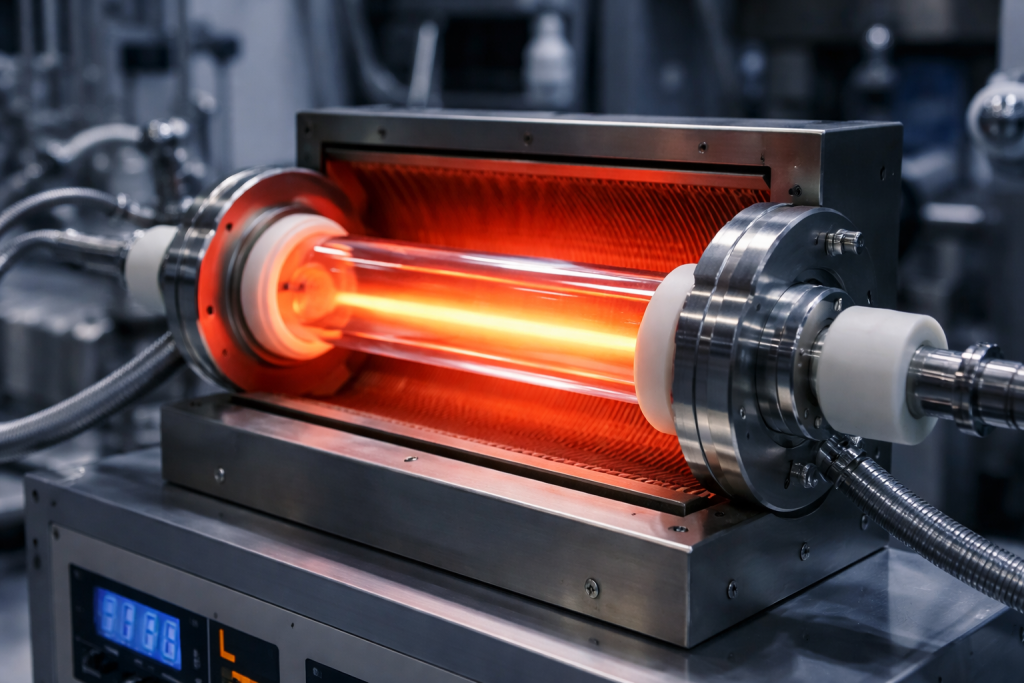
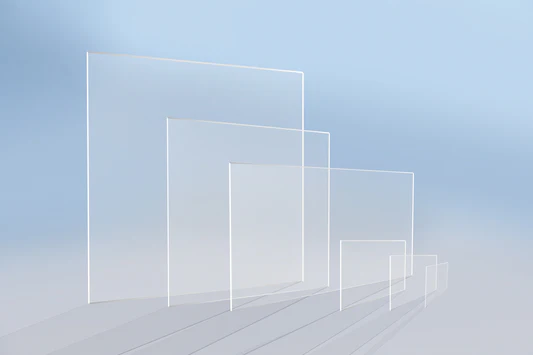
Fused quartz windows are widely used in industries such as semiconductors, laser systems, optics, and high-temperature processing due to their excellent properties, including high thermal resistance, low thermal expansion, broad optical transmission, and strong chemical stability. However, in real-world applications, performance issues can still arise if the material is improperly selected, installed, or maintained.
This article provides a practical, engineering-focused overview of the most common problems encountered when using fused quartz windows, along with proven solutions. It is intended to help engineers, technicians, and procurement professionals improve reliability, extend service life, and optimize system performance.
1. Decline in Optical Transmission
Symptoms
- Yellowing or cloudiness on the surface
- Reduced laser transmission efficiency
- Signal attenuation in optical systems
Causes
- Surface contamination (oil, dust, processing residues)
- Long-term exposure to ultraviolet (UV) radiation
- Impurities within lower-grade materials
Solutions
- Clean regularly using optical-grade solvents such as isopropyl alcohol and lint-free wipes
- For UV or deep UV (DUV) applications, select high-purity fused silica instead of standard fused quartz
- Implement protective measures such as sealed housings or inert gas environments
2. Surface Scratches and Mechanical Damage
Symptoms
- Visible scratches or micro-abrasions
- Increased light scattering
- Degradation of imaging quality
Causes
- Improper cleaning methods (e.g., rough cloths, contaminated wipes)
- Contact with hard objects during handling or installation
- Abrasive particles in the operating environment
Solutions
- Use cleanroom-grade wipes or lens tissue for maintenance
- Handle with gloves and avoid direct contact with optical surfaces
- Consider adding protective coatings or sacrificial windows in harsh environments
3. Thermal Cracking and Fracture
Symptoms
- Cracks appearing during heating or cooling
- Sudden window failure under temperature cycling
Causes
- Rapid temperature changes (thermal shock)
- Uneven heating across the surface
- Mechanical stress from improper mounting
Solutions
- Control heating and cooling rates to minimize thermal gradients
- Design systems to ensure uniform temperature distribution
- Use flexible or floating mounts to accommodate thermal expansion
4. Chemical Corrosion
Symptoms
- Surface hazing or whitening
- Gradual loss of transparency
Causes
- Exposure to hydrofluoric acid (HF) or strong alkaline environments
- Long-term contact with corrosive gases or chemicals
Solutions
- Avoid using fused quartz in environments with HF or strong alkalis
- Apply protective coatings where chemical exposure is unavoidable
- Use alternative materials (such as sapphire) for highly corrosive conditions
- Introduce protective atmospheres, such as inert gas shielding
5. Seal Failure and Dimensional Instability
Symptoms
- Vacuum leaks or pressure loss
- Window loosening in its mount
Causes
- Thermal cycling leading to stress relaxation
- Aging or degradation of sealing materials
- Mismatch in thermal expansion coefficients
Solutions
- Use high-temperature sealing materials such as metal gaskets or fluoropolymer seals
- Regularly inspect and replace seals as part of maintenance routines
- Design with appropriate tolerances to accommodate expansion differences
6. Laser-Induced Damage (LIDT Limitations)
Symptoms
- Burn marks or localized dark spots
- Catastrophic failure under high-power laser exposure
Causes
- Laser power exceeding the material’s damage threshold
- Surface contamination causing localized energy absorption
- Internal defects or inclusions
Solutions
- Select materials with high laser-induced damage threshold (LIDT) ratings
- Maintain strict cleanliness to prevent particle adhesion
- Match material and coatings to the laser wavelength and energy density
- Perform pre-installation inspection and testing
7. Improper Material Selection
Symptoms
- Premature failure despite normal operating conditions
- Inability to meet optical or thermal performance requirements
Causes
- Confusion between fused quartz and high-purity fused silica
- Ignoring wavelength-specific transmission requirements
- Failure to consider actual operating environment (temperature, pressure, chemicals)
Solutions
- Clearly define application parameters (wavelength range — temperature and environment)
- Consult with suppliers on key specifications such as purity, transmission, and stress levels
- Conduct sample validation testing before large-scale deployment
8. Contamination and Poor Maintenance Practices
Symptoms
- Reduced lifespan
- Inconsistent performance between batches
Causes
- Lack of regular cleaning and inspection
- Poor environmental control (dust, humidity)
- Inadequate operator training
Solutions
- Establish standard operating procedures (SOPs) for cleaning, inspection, and replacement
- Maintain controlled environments, especially for optical and semiconductor applications
- Train personnel in proper handling and maintenance techniques
9. Coating Degradation (If Applicable)
Symptoms
- Peeling or discoloration of coatings
- Reduced anti-reflective or protective performance
Causes
- Exposure to high temperatures beyond coating limits
- Chemical attack or mechanical wear
- Improper coating selection
Solutions
- Select coatings rated for the specific thermal and chemical environment
- Avoid mechanical contact with coated surfaces
- Periodically inspect coatings and replace components as needed
10. Stress-Induced Optical Distortion
Symptoms
- Optical distortion or wavefront errors
- Reduced measurement accuracy in precision systems
Causes
- Internal stress within the material
- Uneven mounting pressure
- Thermal gradients during operation
Solutions
- Use low-stress, high-quality optical-grade materials
- Ensure uniform mounting pressure
- Optimize system design to minimize thermal gradients
สรุป
Fused quartz windows play a critical role in high-performance optical and industrial systems, but their reliability depends heavily on proper material selection, controlled operating conditions, and disciplined maintenance practices. Most common issues—such as transmission loss, thermal cracking, or laser damage—can be effectively mitigated through informed engineering decisions and preventive measures.
By understanding these typical problems and implementing targeted solutions, users can significantly enhance system stability, extend service life, and achieve a better balance between performance and cost in demanding applications.