
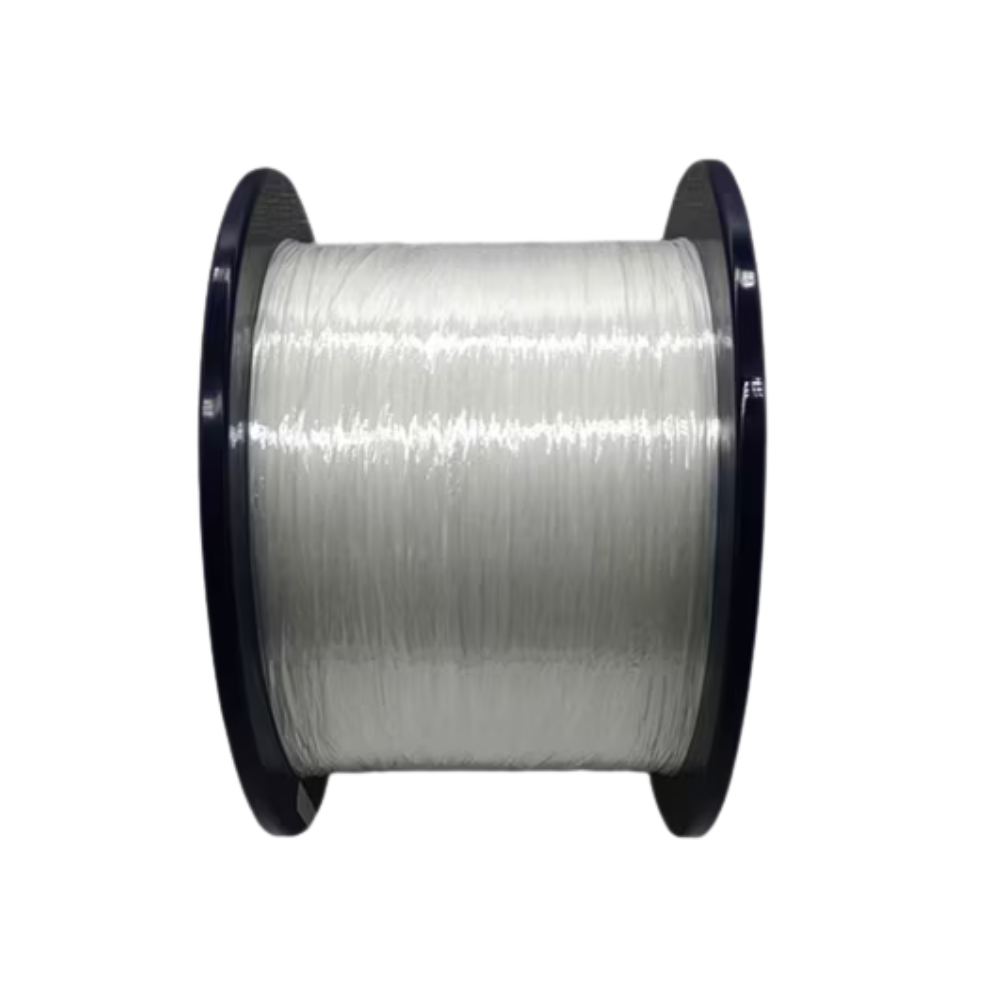
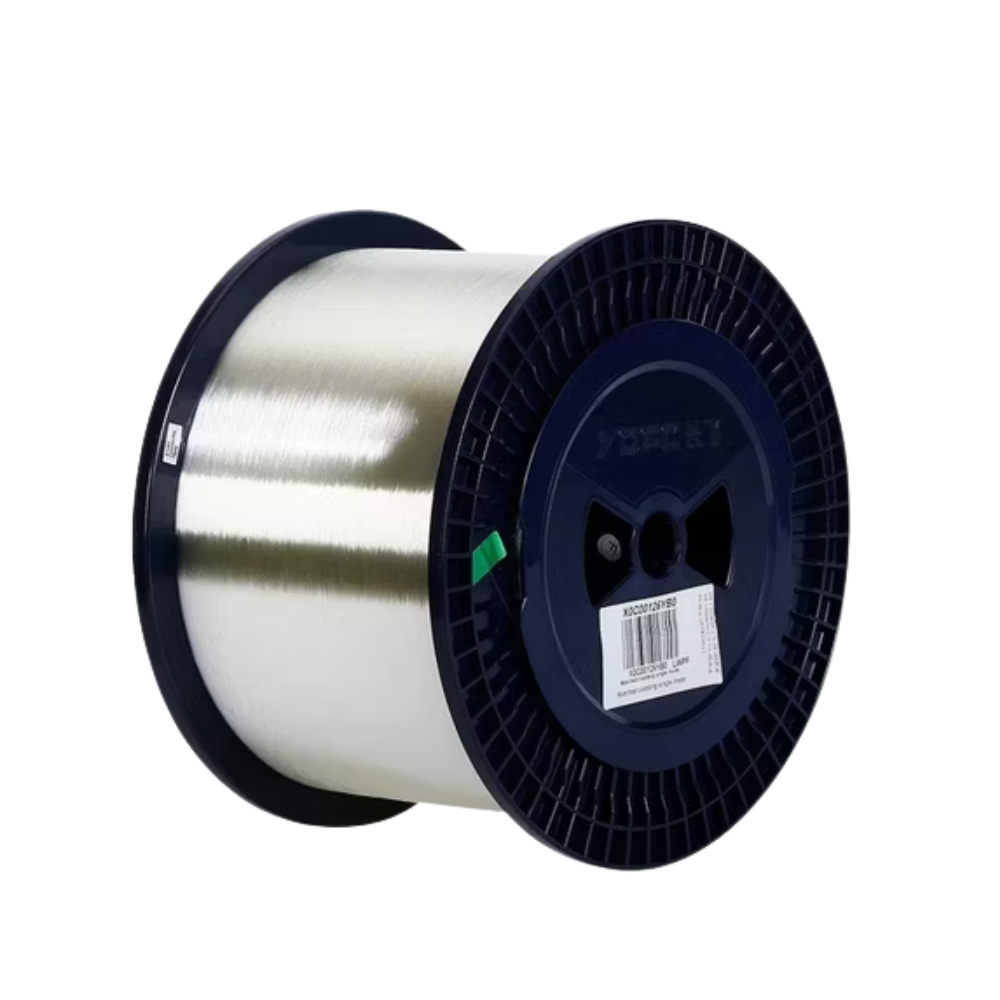
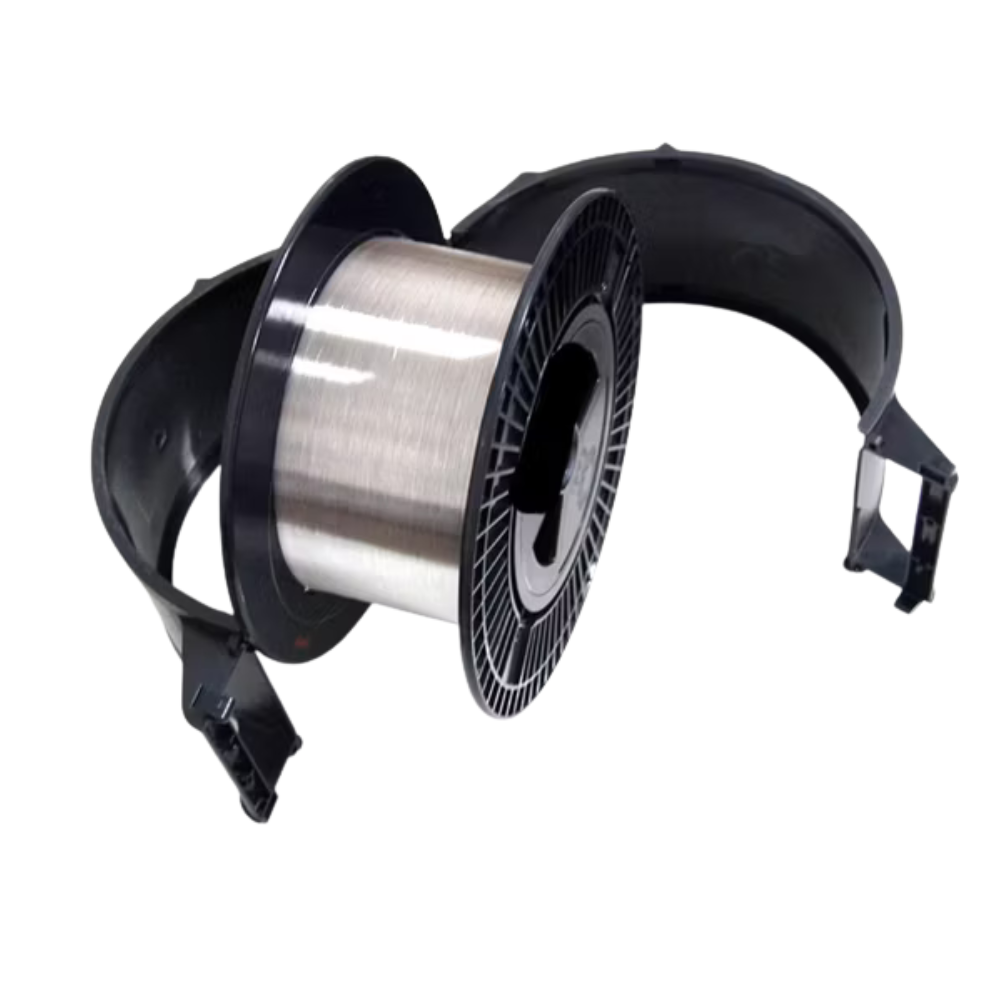
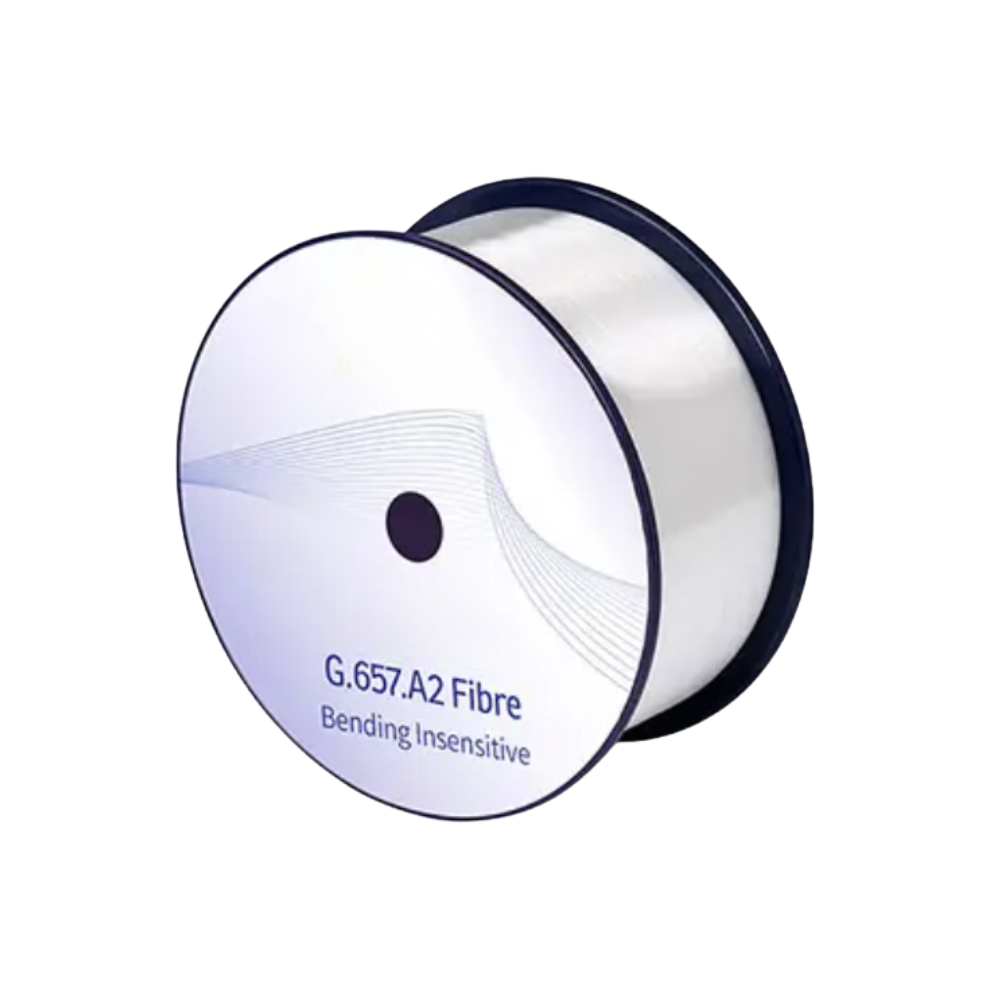
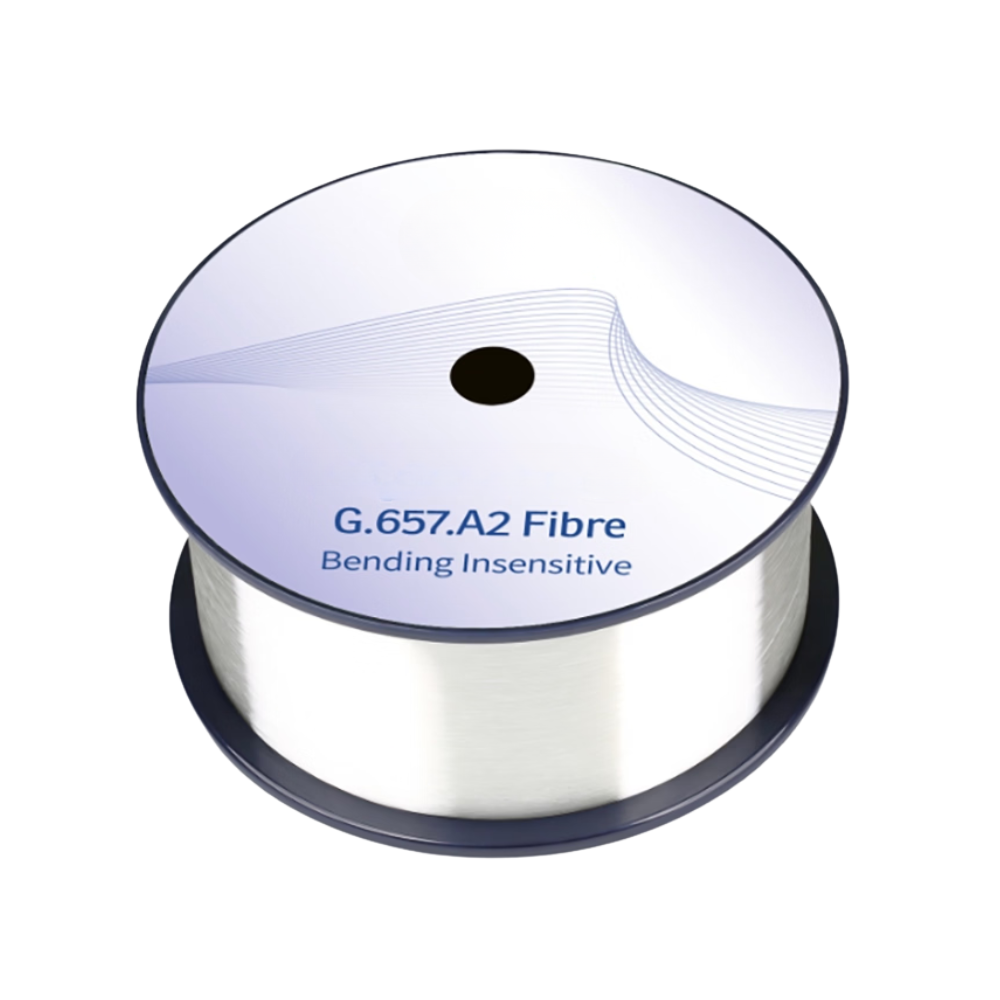
G.657.A2 bend insensitive single-mode optical fiber is specifically engineered to solve signal loss issues caused by tight bending in modern optical networks. Compared with conventional G.652.D fiber, it provides significantly enhanced flexibility and superior bending resistance, making it ideal for high-density and space-constrained installations.
This fiber supports full-spectrum transmission from 1260nm to 1625nm and eliminates the water peak at 1383nm, ensuring stable performance in CWDM and DWDM systems. With a minimum bending radius as low as 7.5mm, it maintains extremely low attenuation even under severe bending conditions.
Fully backward compatible with G.652.D fiber, G.657.A2 can be easily spliced using standard fusion splicing equipment, achieving low splice loss and high installation efficiency. It is widely used in FTTH deployments, indoor cabling systems, and data center networks.
Standards
- ITU-T G.657.A2
- ITU-T G.652.D
- IEC 60793-2-50 B1.3 / B6.a2
Caratteristiche principali
- Excellent Bend Performance: Stable transmission at bending radius of 7.5–15mm
- Ultra-Low Bending Loss: ≤0.5 dB @1550nm, ≤1.0 dB @1625nm (7.5mm radius)
- Full Spectrum Transmission: 1260nm–1625nm (O-E-S-C-L bands)
- Zero Water Peak: Eliminates attenuation at 1383nm
- Fully Compatible with G.652.D: Easy integration and splicing
- Low Splice Loss: Typically ≤0.1 dB
- High Precision Geometry: Ensures stable performance and efficient installation
- Excellent PMD Performance: Suitable for high-speed, long-distance transmission
Optical Characteristics
| Parametro | Unit | Valore |
|---|---|---|
| Attenuation @1310nm | dB/km | ≤0.35 |
| Attenuation @1383nm | dB/km | ≤0.35 |
| Attenuation @1550nm | dB/km | ≤0.21 |
| Attenuation @1625nm | dB/km | ≤0.24 |
| Zero Dispersion Wavelength | nm | 1300–1324 |
| Zero Dispersion Slope | ps/(nm²·km) | ≤0.092 |
| PMD | ps/√km | ≤0.2 |
| Cutoff Wavelength λcc | nm | ≤1260 |
| Mode Field Diameter (1310nm) | μm | 8.6 ± 0.4 |
| Refractive Index (1310nm) | / | 1.467 |
Geometrical Characteristics
| Parametro | Unit | Valore |
|---|---|---|
| Cladding Diameter | μm | 125 ± 0.7 |
| Core-Cladding Concentricity Error | μm | ≤0.5 |
| Cladding Non-Circularity | % | ≤1.0 |
| Coating Diameter | μm | 245 ± 10 |
| Coating Non-Circularity | % | ≤4 |
Mechanical Characteristics
| Parametro | Valore |
|---|---|
| Resistenza alla trazione | ≥4.0 GPa |
| Dynamic Fatigue Parameter | ≥20 |
| Proof Test | ≥100 kpsi |
| Coating Strip Force | 1.0–8.9 N |
Macrobending Performance
| Condition | 1550nm | 1625nm |
|---|---|---|
| 15mm radius, 10 turns | ≤0.03 dB | ≤0.1 dB |
| 10mm radius, 1 turn | ≤0.1 dB | ≤0.2 dB |
| 7.5mm radius, 1 turn | ≤0.5 dB | ≤1.0 dB |
Environmental Performance
| Condition | Valore |
|---|---|
| Temperature Cycling (-60℃ to +85℃) | ≤0.05 dB/km |
| High Temp & Humidity (85℃, 85% RH, 30 days) | ≤0.05 dB/km |
| Water Immersion (23℃, 30 days) | ≤0.05 dB/km |
| Dry Heat Aging (85℃, 30 days) | ≤0.05 dB/km |
Applicazioni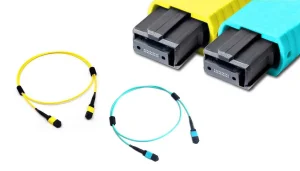
- FTTH (Fiber to the Home) drop cables
- Indoor cabling systems in residential and commercial buildings
- Data center high-density cabling
- Patch cords and distribution frames
- Complex routing environments (corners, conduits, wall edges)
- Special applications such as tethered communication systems and compact optical devices
FAQ (Frequently Asked Questions)
Q1: What is the difference between G.657.A2 and G.652.D optical fiber?
G.657.A2 provides significantly better bending performance, allowing installation in tight spaces with minimal signal loss, while remaining fully compatible with G.652.D fiber.
Q2: Can G.657.A2 fiber be spliced with standard fibers?
Yes, it supports standard fusion splicing with G.652.D fibers, with typical splice loss ≤0.1 dB.
Q3: Is G.657.A2 suitable for FTTH and indoor use?
Yes, it is widely used in FTTH drop cables and indoor cabling due to its flexibility and low bending loss.
Recensioni
Ancora non ci sono recensioni.