A nagy pontosságú iparágakban, mint például az optika, a félvezetők, a repülőgépipar és a lézerrendszerek, az anyagválasztás kritikus szerepet játszik a teljesítmény, a megbízhatóság és az élettartam stabilitásának meghatározásában. Az általánosan használt fejlett anyagok közül, BF33 üveg és olvasztott kvarc (olvasztott szilícium-dioxid) gyakran hasonlítják össze kiváló termikus és optikai tulajdonságaik miatt.
A két anyag azonban bizonyos hasonlóságok ellenére alapvetően különbözik egymástól összetételét, gyártási folyamatát és teljesítményhatárait tekintve. A megfelelő anyag kiválasztása nagymértékben függ az alkalmazási követelményektől, nem pedig pusztán a költségektől.
Ez a cikk egy technikai, tapasztalatokon alapuló összehasonlítást nyújt, hogy segítse a mérnököket, a vásárlókat és a projektfejlesztőket a megalapozott döntések meghozatalában.
1. Mi az a BF33 üveg?
A BF33 üveg egyfajta boroszilikát üveg, széles körben használják műszaki és laboratóriumi környezetben. Ismert a következőkről:
- Jó hőállóság
- Mérsékelt kémiai stabilitás
- Kiváló megmunkálhatóság
- Viszonylag alacsony költség az olvasztott szilícium-dioxidhoz képest
A BF33-at általában szilícium-dioxid (SiO₂), bór-oxid (B₂O₃) és egyéb adalékanyagok ellenőrzött olvasztásával állítják elő. A bórtartalom javítja a hőtágulás szabályozását, így olyan alkalmazásokhoz alkalmas, ahol a hőmérsékletváltozások gyakoriak, de nem szélsőségesek.
Tipikus alkalmazások:
- Laboratóriumi üvegáruk
- Megfigyelő ablakok
- Világítási rendszerek
- Alapvető optikai alkatrészek
- Az ipari ellenőrzés kiterjed
A BF33 azonban még mindig egy üvegalapú anyag, ami azt jelenti, hogy szerkezete amorf, de nem olyan tiszta vagy hőstabil, mint az olvasztott kvarc.
2. Mi az olvasztott kvarc?
Az olvasztott kvarc (más néven olvasztott szilícium-dioxid) a következő anyagokból készül nagy tisztaságú szilícium-dioxid (SiO₂), rendkívül magas hőmérsékleten (1700 °C felett) megolvasztva és nem kristályos szilárd anyaggá hűtve.
A boroszilikát üveggel ellentétben az olvasztott kvarc tartalmaz:
- Rendkívül alacsony szennyezőanyagszint
- Nem tartalmaz hozzáadott módosítókat, mint például bórt vagy nátriumot.
- Kiváló UV és IR optikai áteresztés
- Rendkívül alacsony hőtágulás
Ezek a tulajdonságok a ma kapható egyik legfejlettebb ipari üveganyaggá teszik.
Tipikus alkalmazások:
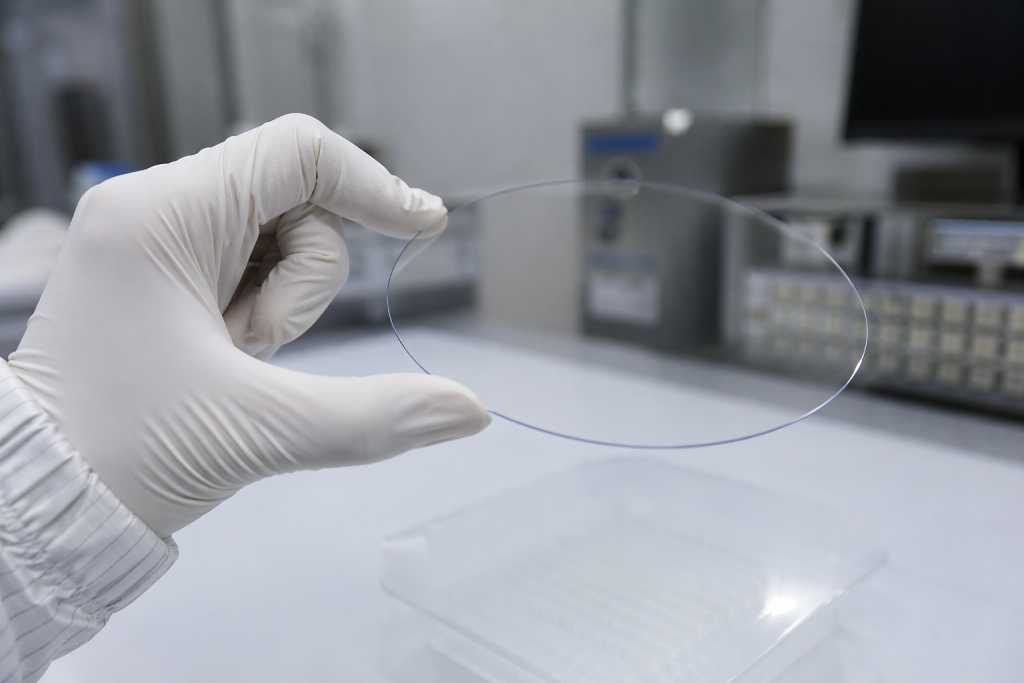
- Félvezető ostyatartók
- Optikai ablakok lézerekhez és UV rendszerekhez
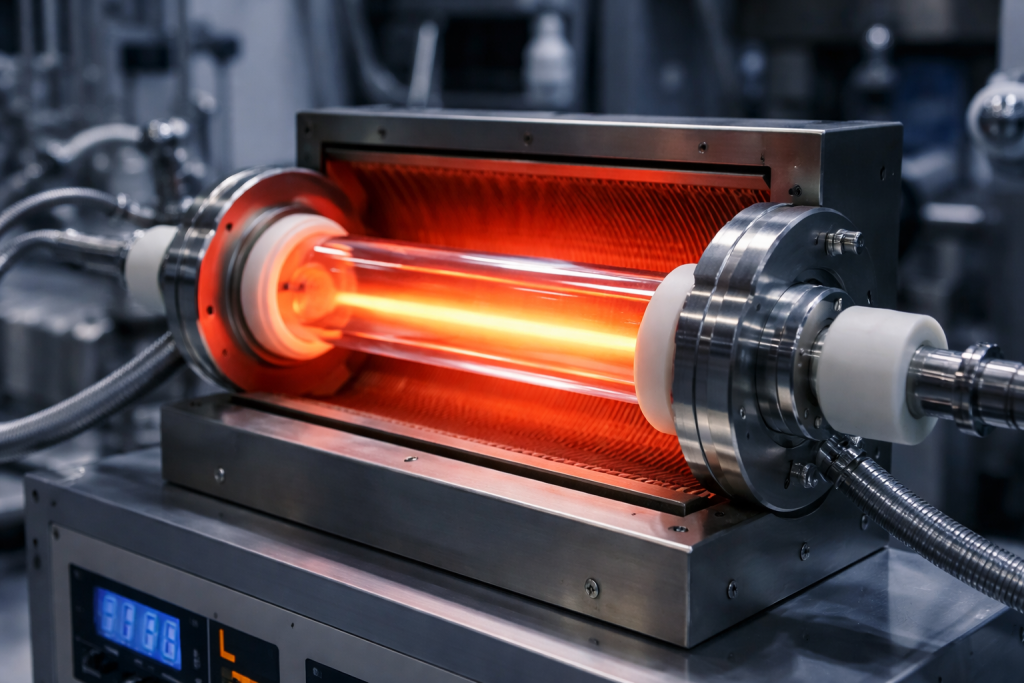
- Magas hőmérsékletű kemencecsövek
- Repülőgépek és vákuumrendszerek
- Precíziós tudományos műszerek
3. Kulcsteljesítmény-összehasonlítás
3.1 Hőellenállás
Az olvasztott kvarc magas hőmérsékletű környezetben egyértelműen felülmúlja a BF33 üveget.
- BF33 üveg: ~500°C folyamatos használati határérték
- Olvasztott kvarc: ~1100°C-ig folyamatos használat
Az olvasztott kvarcnak rendkívül alacsony a hőtágulási együtthatója (~0,5 × 10-⁶ /K), ami lehetővé teszi, hogy repedés nélkül túlélje a gyors hőmérsékletváltozásokat.
👉 Ezzel szemben a BF33 érzékenyebb a szélsőséges hőciklusokra.
3.2 Optikai tulajdonságok
Mindkét anyag átlátszó, de optikai teljesítményük jelentősen különbözik.
| Ingatlan | BF33 üveg | Olvasztott kvarc |
|---|---|---|
| UV áteresztés | Korlátozott | Kiváló (mély UV) |
| IR átvitel | Mérsékelt | Magas |
| Optikai tisztaság | Közepes | Nagyon magas |
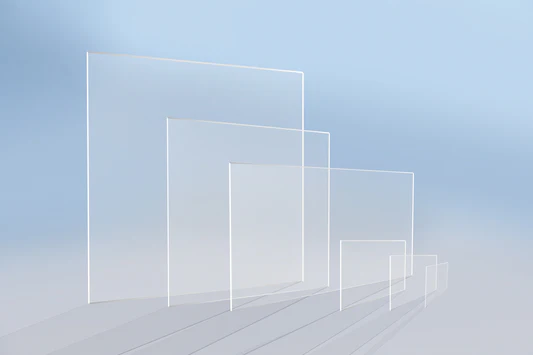
Az olvasztott kvarcot széles körben használják az UV litográfiában, a lézerrendszerekben és a precíziós optikában, mivel szélesebb hullámhossz-tartományban stabil átvitelt biztosít.
3.3 Kémiai ellenállás
Az olvasztott kvarc kiváló kémiai stabilitással rendelkezik.
- Ellenáll a legtöbb savnak (kivéve a hidrogén-fluorosavat)
- Rendkívül alacsony reaktivitás
- Alkalmas zord félvezetőkörnyezetben történő felhasználásra
A BF33 üveg megfelelő ellenállást nyújt, de erős kémiai vagy nagy tisztaságú környezetben idővel lebomolhat.
3.4 Mechanikai megmunkálhatóság
Ez az a pont, ahol a BF33 előnyben van.
- A BF33 könnyebben vágható, fúrható és formázható.
- Alacsonyabb gyártási költség
- Gyorsabb prototípus-készítési ciklusok
Az olvasztott kvarc keménysége és törékenysége miatt speciális megmunkálási eljárásokat igényel, például gyémántcsiszolást vagy precíziós lézervágást, ami növeli a költségeket és az átfutási időt.
3.5 Költségtényező
Az ipari beszerzéseknél gyakran a költség a döntő tényező.
- BF33 üveg: gazdaságos, tömeggyártás-barát
- Olvasztott kvarc: magas költségek a tisztaság és a feldolgozás nehézségei miatt
A nem kritikus alkalmazások esetében a BF33 gyakran egyszerűen a költségvetési korlátok miatt kerül előnyben részesítésre.
4. Mikor érdemes a BF33 Üveg mellett dönteni?
A BF33 akkor alkalmas, ha:
- Az üzemi hőmérséklet 500°C alatt van
- Fontos a költséghatékonyság
- A mechanikai megmunkálás bonyolultságának alacsonynak kell lennie
- Az alkalmazás nincs kitéve szélsőséges UV- vagy korróziós környezetnek.
A tipikus felhasználási esetek közé tartoznak a laboratóriumi berendezések, világítási rendszerek és általános ipari megfigyelőablakok.
5. Mikor kell választania az olvasztott kvarcot?
Az olvasztott kvarc az előnyös választás, ha:
- Magas hőmérsékleti stabilitásra van szükség
- Az UV vagy lézer átvitel kritikus
- A kémiai ellenállást maximalizálni kell
- A precíz optikai teljesítmény alapvető fontosságú
- Hosszú távú megbízhatóságra van szükség a zord környezetekben
Széles körben használják a félvezető-feldolgozásban, az optikai tervezésben és az űrhajózási rendszerekben, ahol a hiba nem elfogadható.
6. Mérnöki betekintés: Valós világbeli kiválasztási logika
Mérnöki szempontból az anyagválasztás nem arról szól, hogy melyik a “jobb”, hanem arról, hogy melyik a "jobb". jobb a működési környezetnek.
Az iparban használt egyszerűsített szabály:
- Ha költség + mérsékelt teljesítmény → BF33 üveg
- Ha teljesítmény + stabilitás + pontosság → olvasztott kvarc
A csúcskategóriás gyártási környezetben már egy kis hődeformáció vagy optikai torzulás is a rendszer meghibásodásához vezethet. Ez az oka annak, hogy az olvasztott kvarc továbbra is meghatározó a félvezető- és lézeriparban.
7. Következtetés
A BF33 üveg és az olvasztott kvarc inkább különböző ipari igényeket szolgál ki, mintsem hogy közvetlenül versenyezzenek egymással.
- A BF33 üveg egy praktikus, költséghatékony boroszilikát anyag általános műszaki alkalmazásokhoz.
- Az olvasztott kvarc egy nagy teljesítményű, extrém körülményekhez és precíziós rendszerekhez tervezett anyag.
A különbségek megértése jobb mérnöki döntéseket, kisebb rendszerhibakockázatot és optimális költség-teljesítmény egyensúlyt biztosít.